Itinerary: Reykjavík and the golden circle, Vík,
Jökulsárlón, Höfn, Egilsstaðir, Reykjahlíð, Akureyri, Grundarfjörður, Snæfellsjökull
National Park, back to Reykjavík.
Highlights: Volcanoes, glaciers, rivers, hot springs and moving tectonic
plates: Iceland has it all if you love being outdoors where the scenery is as
good as anywhere in the world.
In the summer of 2016, I travelled around the entire island
in 2 weeks, hiring a car and camping along the way, returning in the winter of
2022, to spend 5 days in the snow and ice. Many people visit Iceland for 3 or 4
days to visit the Golden Circle on an organised trip (and it is easy to see why)
but the real beauty of the country falls outside the touristy zone near
Reykjavík. The itinerary below is from the 2016 trip but the photos are a
mixture of both visits. The best thing about Iceland is that no matter how many
times you go, it will always look different.
Hallgrímskirkja churchRainbow road, Reykjavík
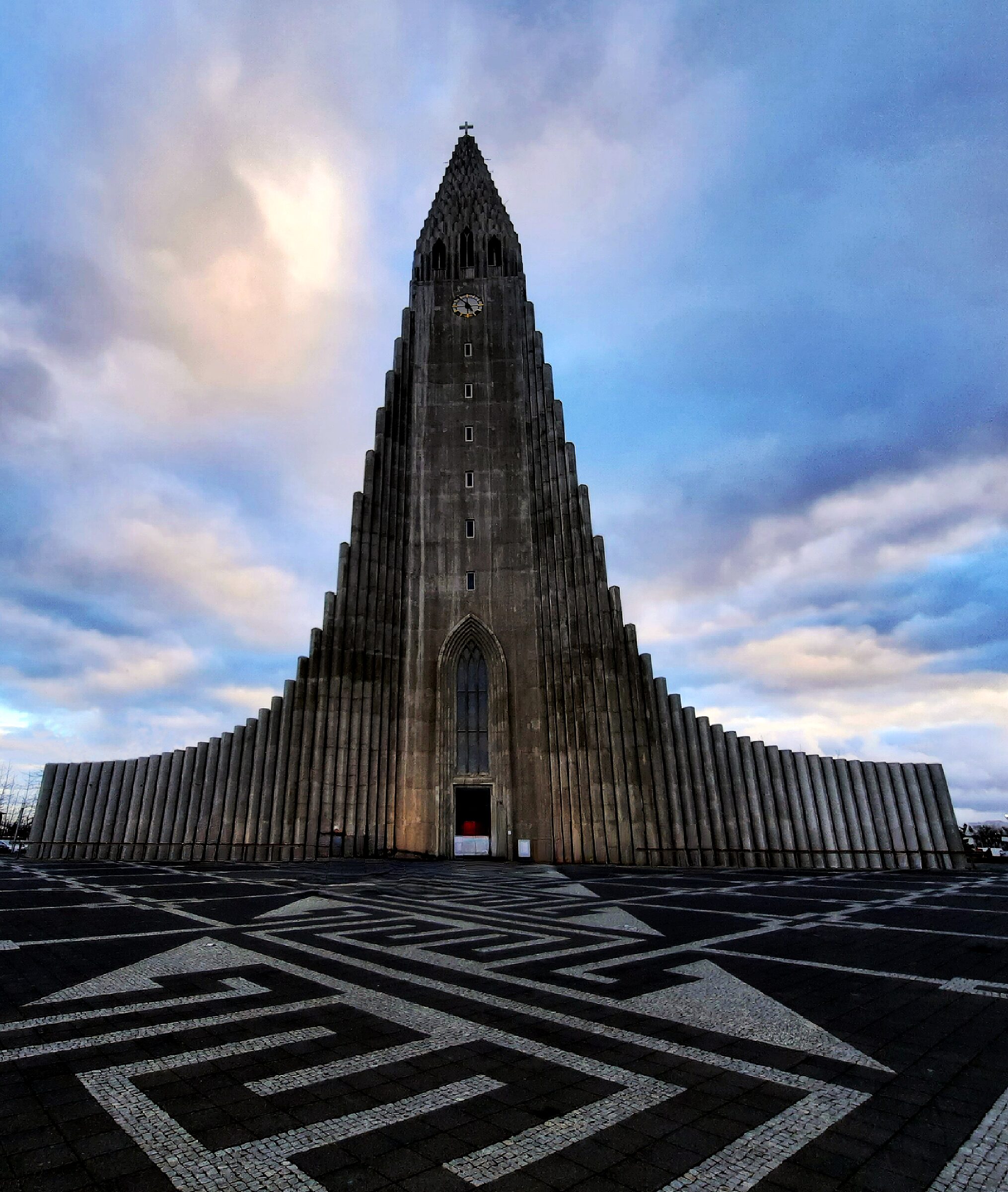
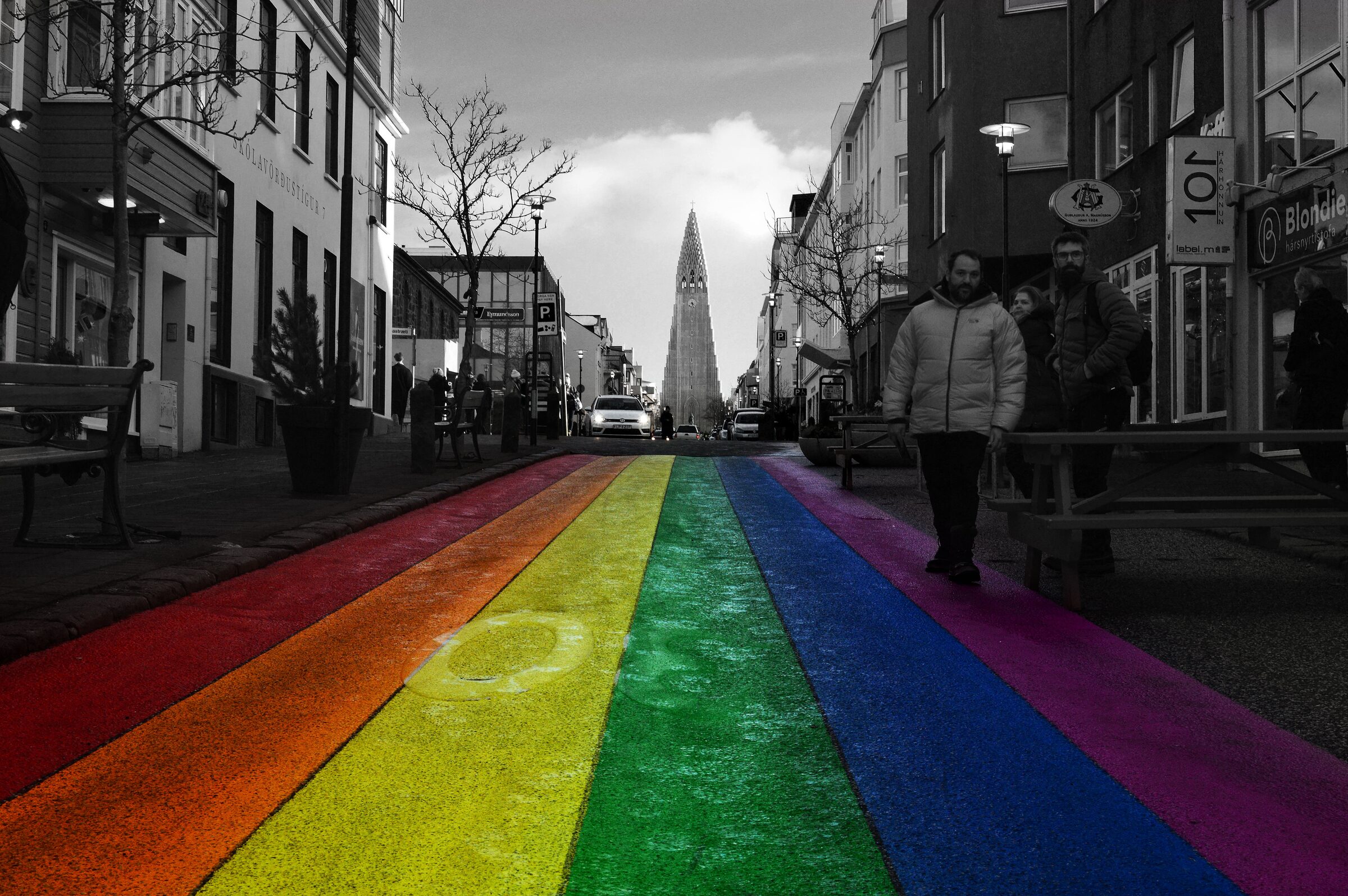
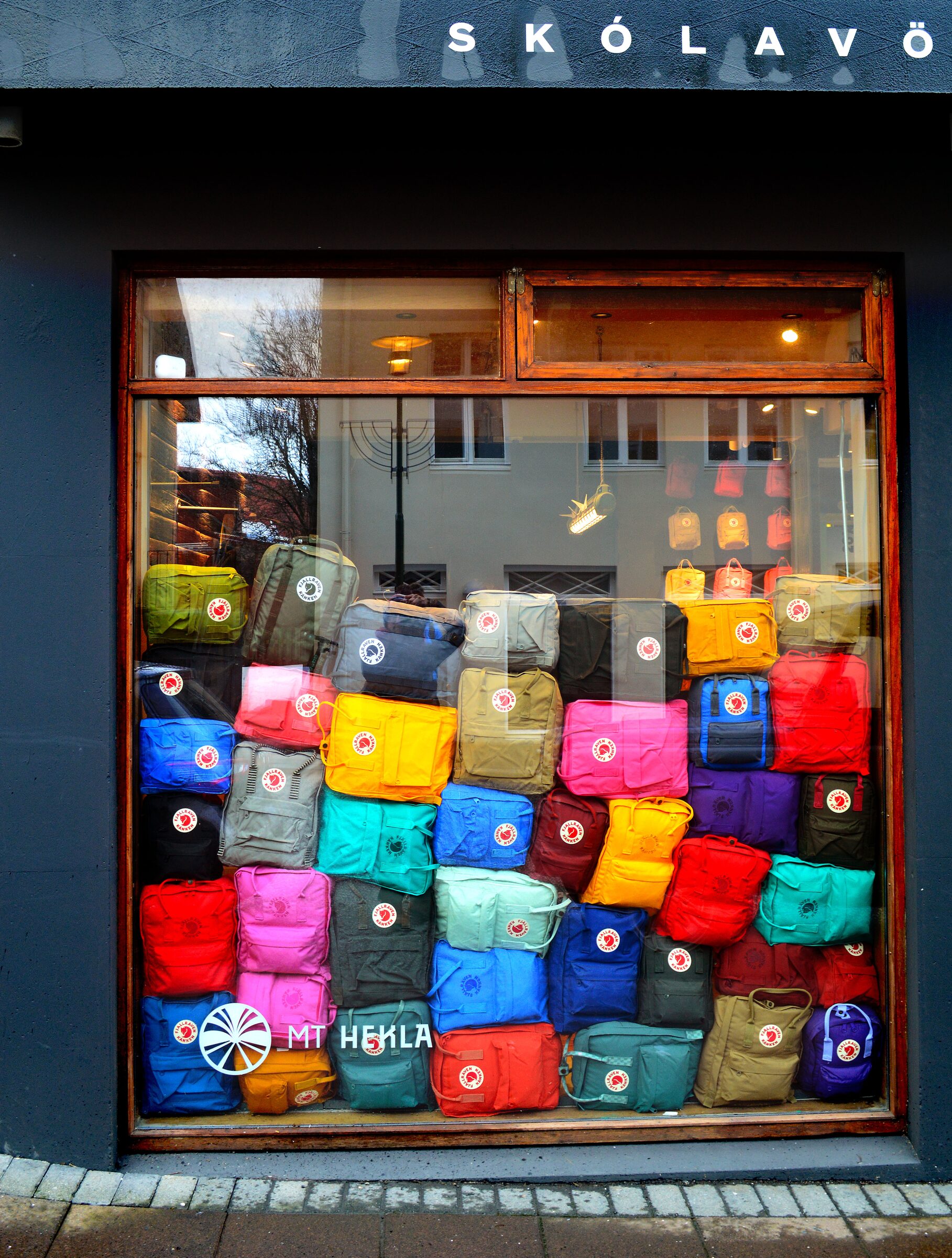
Flying to Keflavík airport and immediately getting the Flybus (£25 per person, 1 per hour) to the centre of Reykjavík is the same way everyone else gets to the capital city. The drop-off point is the bus terminal centre, a 10-minute walk from the modern architecture of the famous and picturesque Hallgrimskirkja church. Reykjavík is small for a capital city (roughly the size of the great city of Nottingham) so it is easily walkable in a few hours but to fit in all the museums and sights you might need a full day. There are lots of local clothing shops to peruse, artistic and colourful streets to wander down and the world’s only genuine penis museum if that floats your boat.
Given that it is quite cold in Iceland regardless of the time of year, there are lots of indoor activities to engage in. A quick list of museums and tour operators along with their current prices is below but check the links to websites in advance. There is also a City Card which you can purchase for 1-3 days for £33 - £58 which gets you into lots of attractions so if you’re planning on visiting a few places then this would be a great investment!
Reykjavík acts as a hub for the various natural attractions
around the area known as the Golden Circle which can be access in one of three
ways: hop-on-hop-off
tour bus (£99), a bespoke
tour company with guide (£ various) or driving
yourself. Of course, there are pros and cons for all of these options but
we went with hiring a car as the plan was to drive round the whole country. On
a whistle stop tour over a couple of days, you’ll be able to cram in the
following trips, excursions and natural sights: Sellfoss waterfall, Kerid
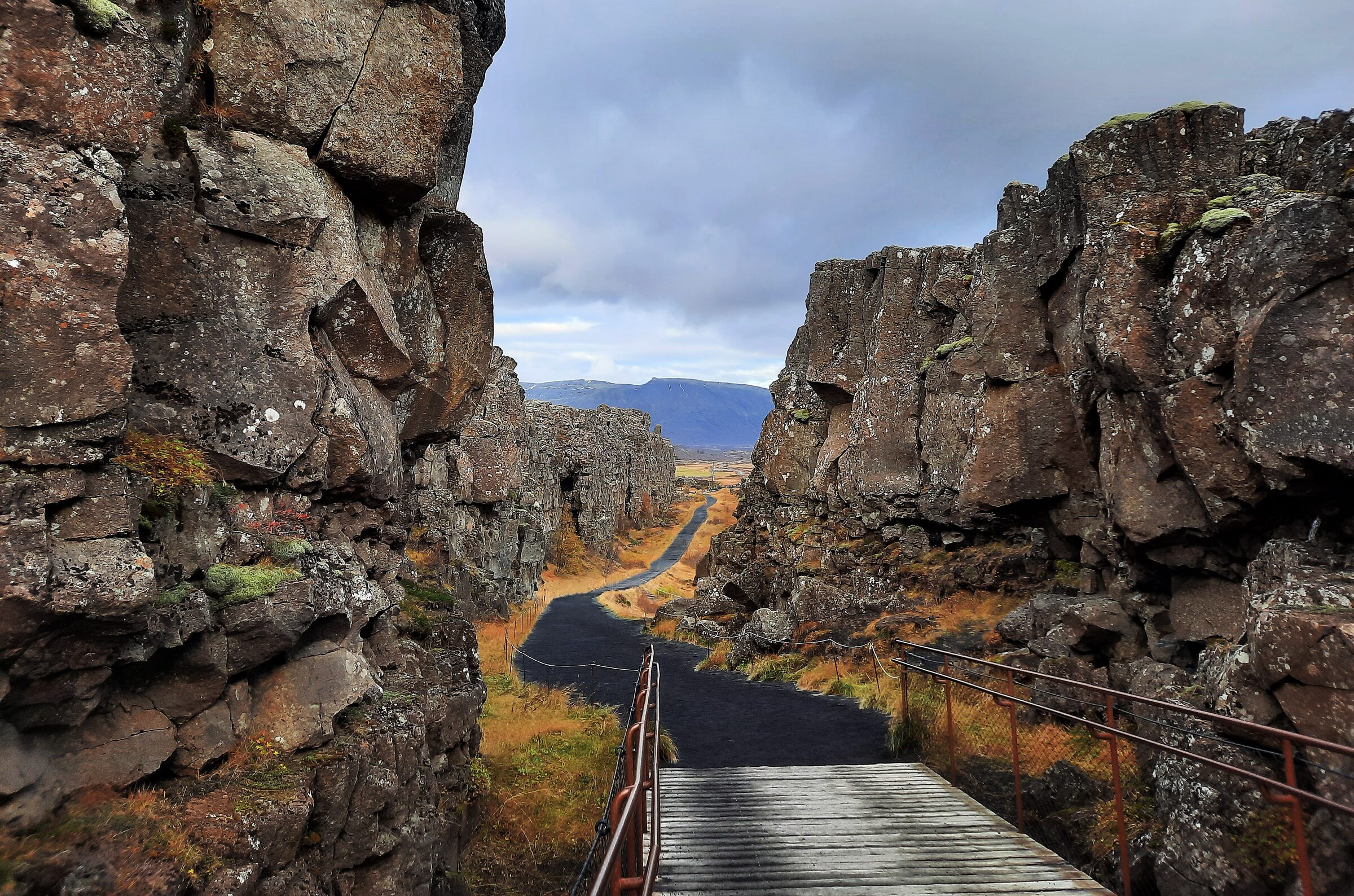
Crater, Thingvellir national park, Gullfoss waterfall, Blue Lagoon, Haukadalur
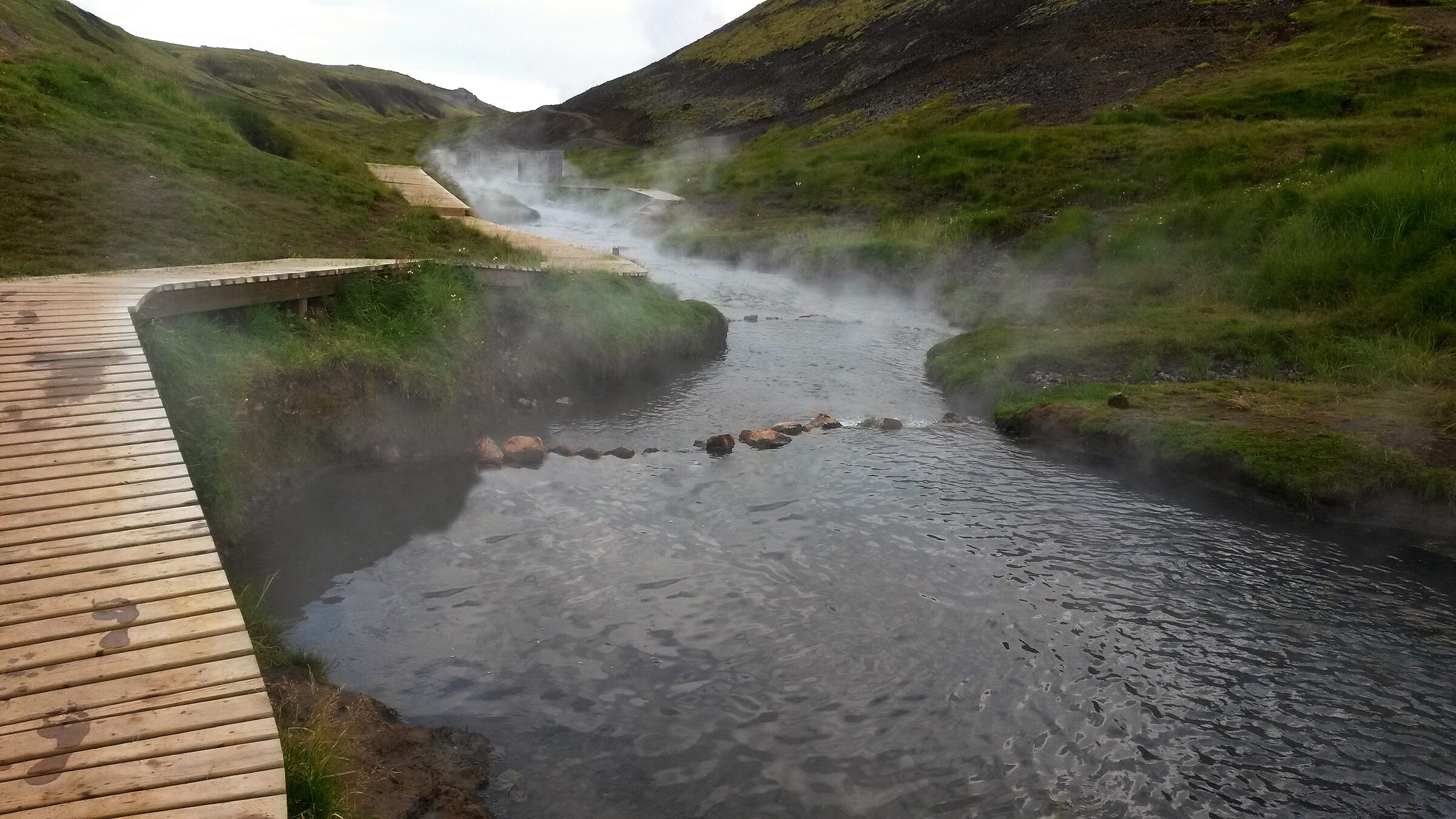
Valley geysers and the Hverahlíð geothermal hot water river. Assuming you’re in
Iceland for all the natural beauty, all of these sights are worth seeing
and most are free to enter but the lovely thing about them all is they’ll
appear differently between visits and seasons. The stunning Sellfoss waterfall
(which could also be left until later in the trip if driving away from
Reykjavík) was my personal highlight of the Golden Circle itinerary. The Blue Lagoon however was a bit of a
disappointment in my eyes. It is £70 per person to get in, you only get limited
time there and it is heaving with Instagram selfie sticks. There are so many
natural hot springs around the country to bathe in for less money and fewer
tourists, all of which offer basically the same thing. Iceland is one of the
most expensive counties in Europe so saving money where you can is a good plan.
The Vok Baths near Egilsstaðir,Myvatn
Nature Baths near Reykjahlíð,Geosea
Thermal Sea Baths in Húsavík, the Forest
Lagoon in Akureyri and the Krauma Spanear
Kleppjárnsreykir are all under £45 entry while the Hverahlíð Hot Springs (accessible
after a 3km hike) is free to enter aside from £1.50 per hour to park your car. If you want
some extra luxury, the Sky Lagoonin
Reykjavík (complete with 7-step Skjól ritual) is £85 per person but there are
so many of these places around the island that you’re spoilt for choice.
Vík i Myrdal ChurchThingvellir tectonic plates
This is where the real fun starts. We headed to Vík on the
south coast, following the easy-to-remember road number ‘1’ which circles the
entire country and will be what you spent the majority of your time driving on.
In the summer of 2016 we camped at Vik
Campingbut in the winter of 2022 we stayed at The Barn a swanky hostel at £78 per night (at
the time). The winter snowfall over night beached our car the next morning but
during the resulting blizzard, the owner helped pull our tiny Hyundai i30 out
of the drift with his tractor with a nonchalance which suggested this happened
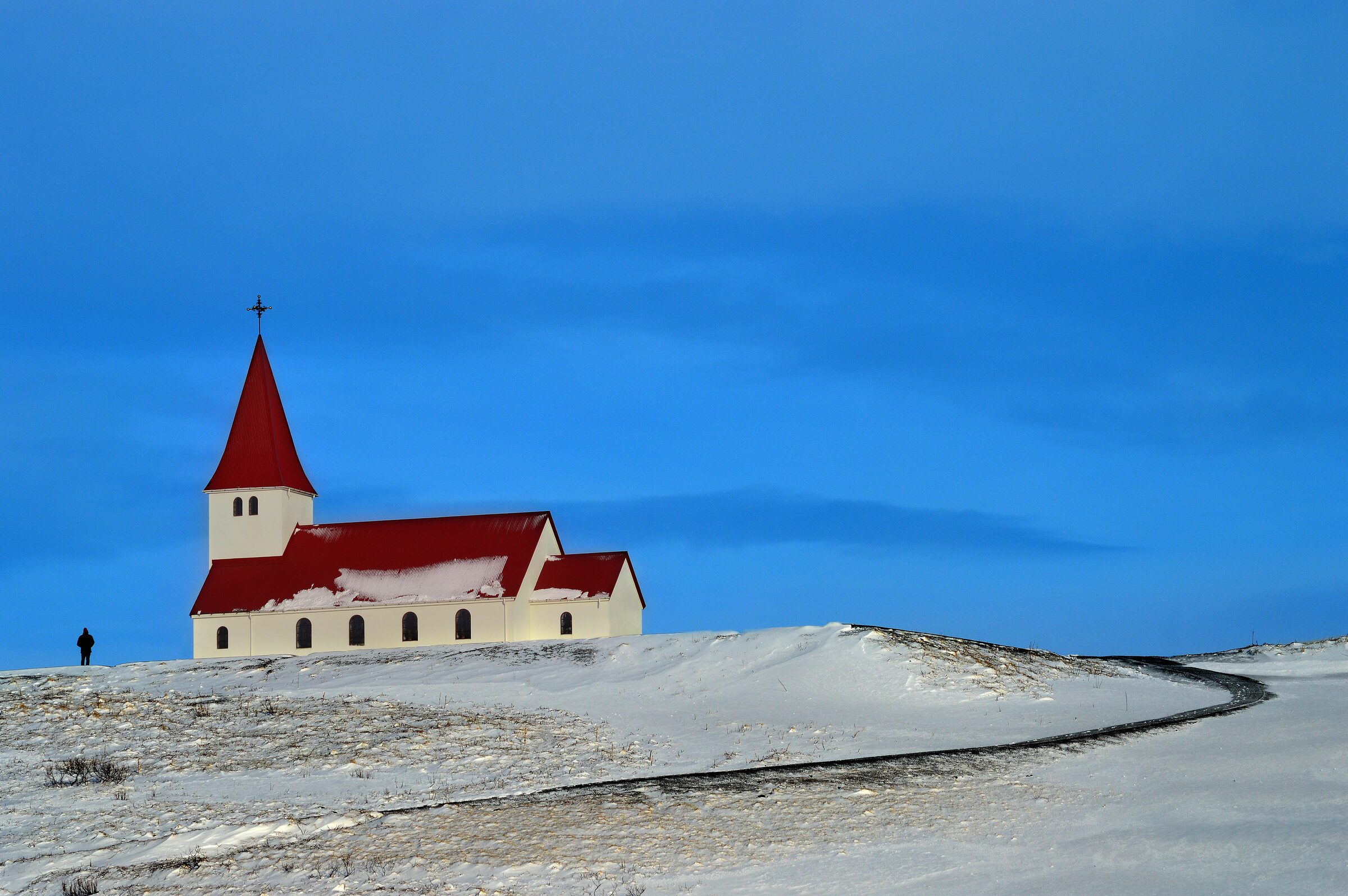
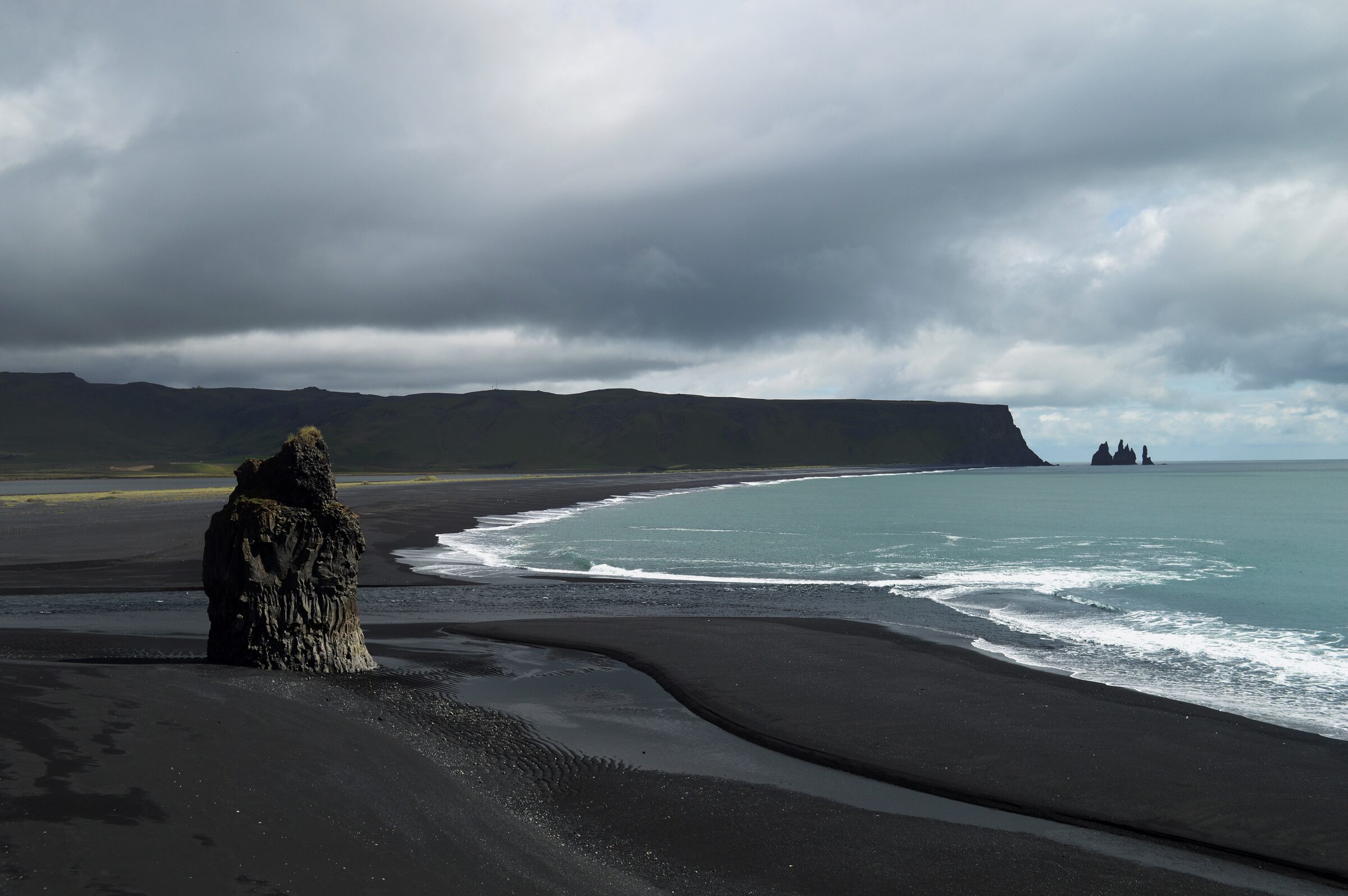
to someone most days. Vík’s main attraction in the gorgeous, red-roofed Vík i
Myrdal Church atop the hill overlooking one of Iceland’s many black sand
beaches where you can ride horses or just photograph in the magical scenery in
peace. Travelling east from Vík there are numerous places to stop so depending on how far you want to travel and how often you want to stop along the way; pick somewhere like Kálfafellsstaður where there are a couple of guesthouses or Höfn if you want to drive a little further. Either way, between Vík and Höfn there are dozens of sights to see.
To help,I’ve created an interactive map below which has information, images and car parks for each of the listed attractions along the south coast between Vík and Höfn.Most are visible and accessible from the road as it has been designed this way but a few involve hikes or paying a tour company.
Sólheimasandur plane crash
If you’re pressed for time and are intending on driving to
Höfn and back in a couple of days, then the following are absolute highlights.
All the other stops along the way (pretty churches, canyons, ice caves and lava
fields) are totally worth the stop but if you’re pressed for time and money,
stick to these 6 free-to-enter Icelandic highlights.
Start with the Skógafoss and Kvernufoss (1) waterfalls before
you reach Vík which can be seen from the road and spend half-an-hour taking in
the power of these pretty waterfalls. If you’ve got the time then I recommend
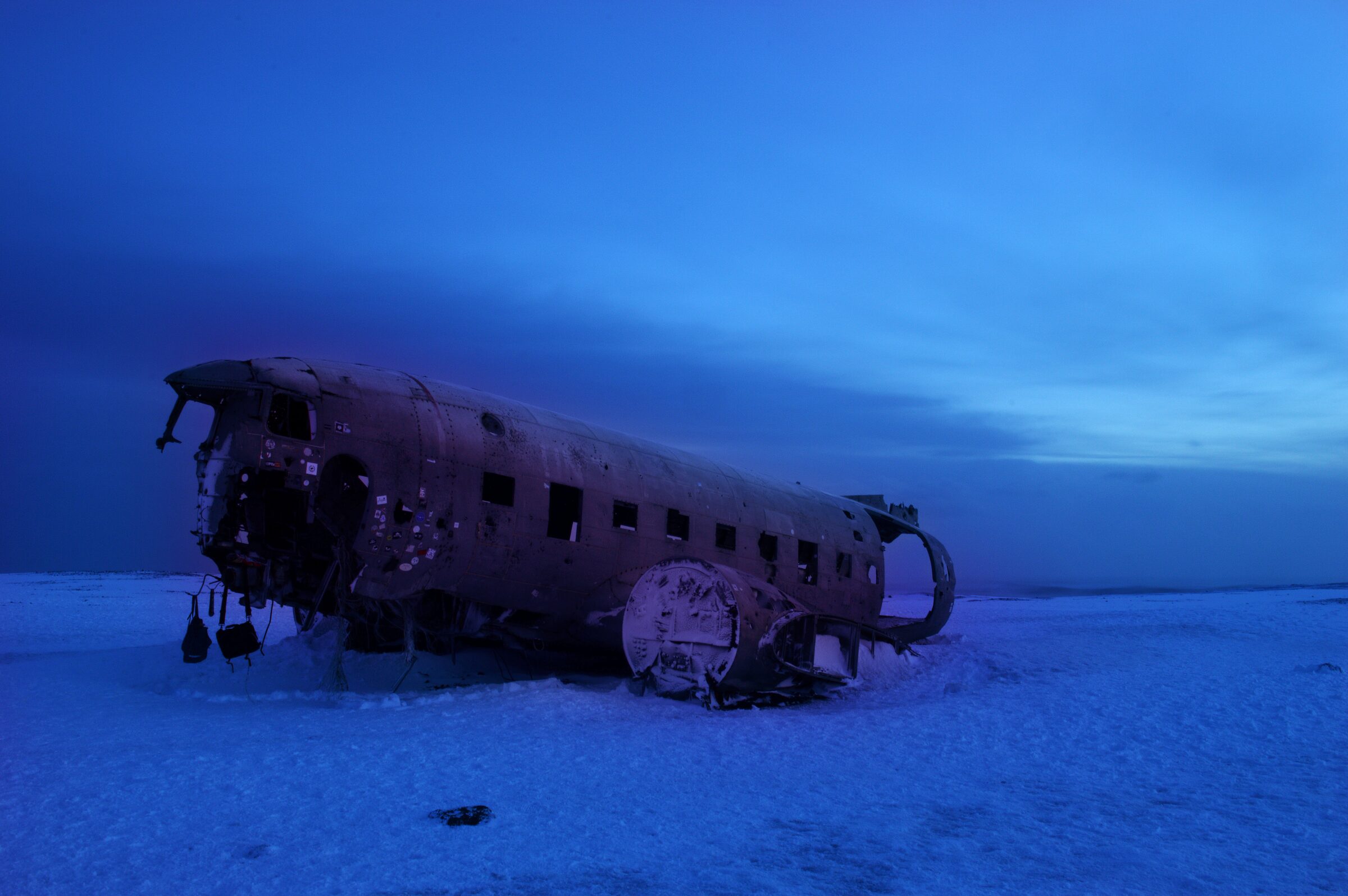
the 8km round trip walk to see the Sólheimasandur plane crash (2) on the black sand
beach from the car park
which has been left to the elements since 1973. All 7 passengers survived the
crash and were later rescued by helicopter. It will take you 2 hours to get
there and back again so make sure you’ve got time. After this, a short drive to
the Fjaðrárgljúfur canyon (3) is on the agenda. Park at the car park and then walk 10
minutes to see the scenic little river cutting out the jagged rock to make a
gorgeous mini canyon. You can do an extra hike here if you want to get some
steps in but if not, it will only take 30 minutes in total before you’ve taken
some snaps and enjoyed the view.
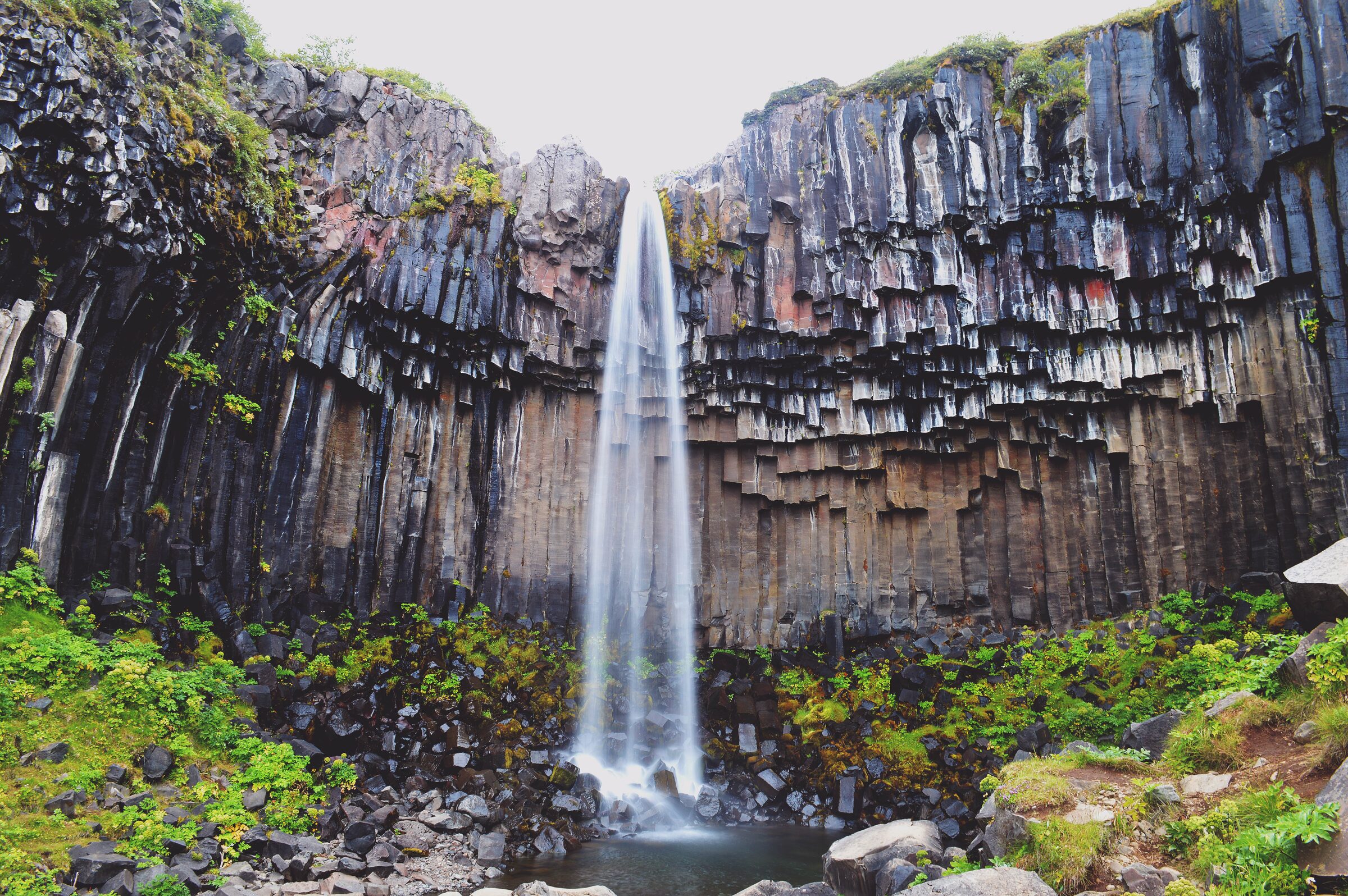
Svartifoss waterfall
The next unmissable stop is the Svartifoss waterfall (4) which involves
a 30-minute hike from the car
park. The incredible hexagonal columns of basalt rock formed by intense
lava heat create this picturesque image which is totally different when summer
becomes winter. A further hour drive will eventually lead you to one of
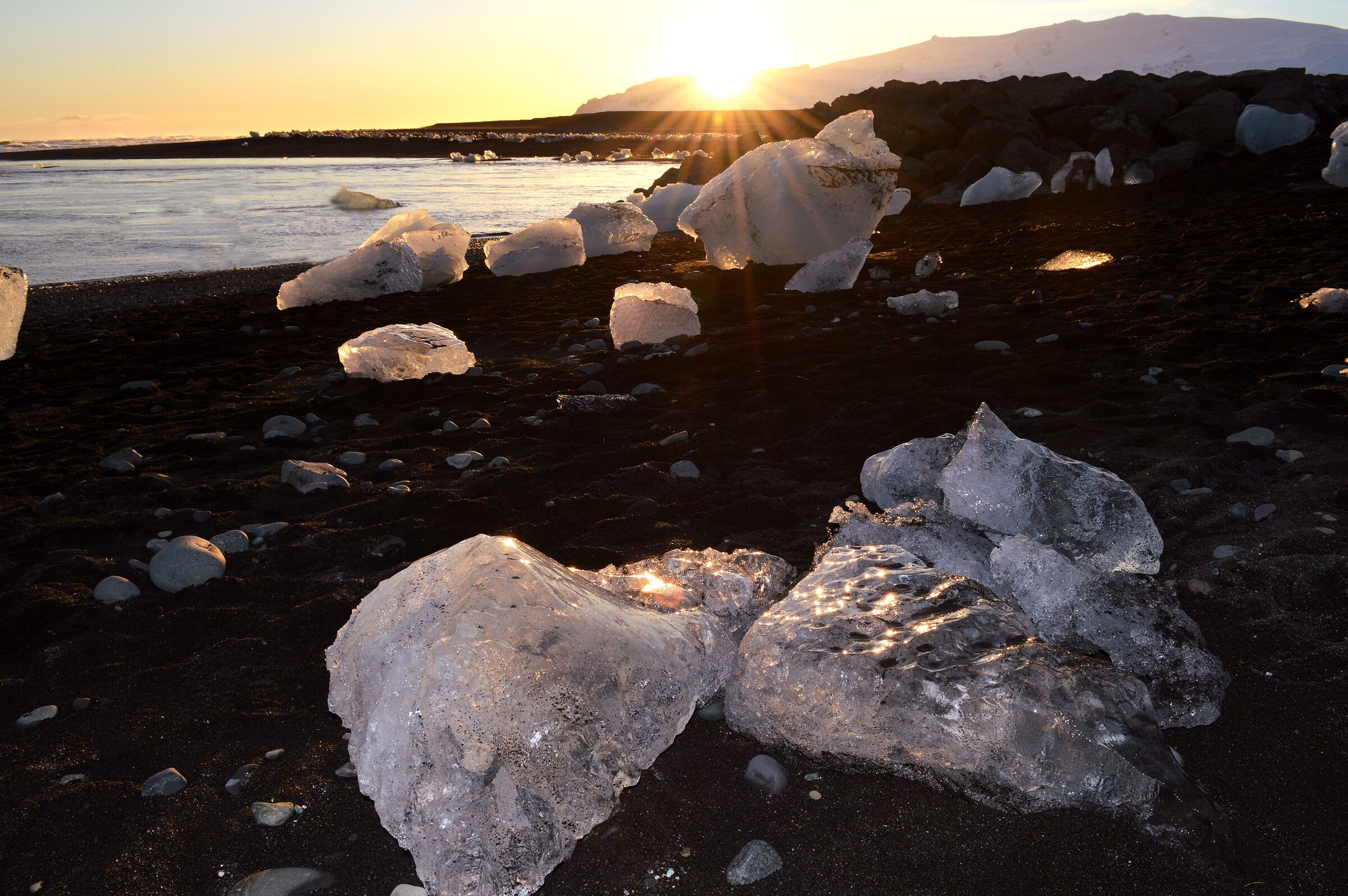
Iceland’s absolute gems: the diamond
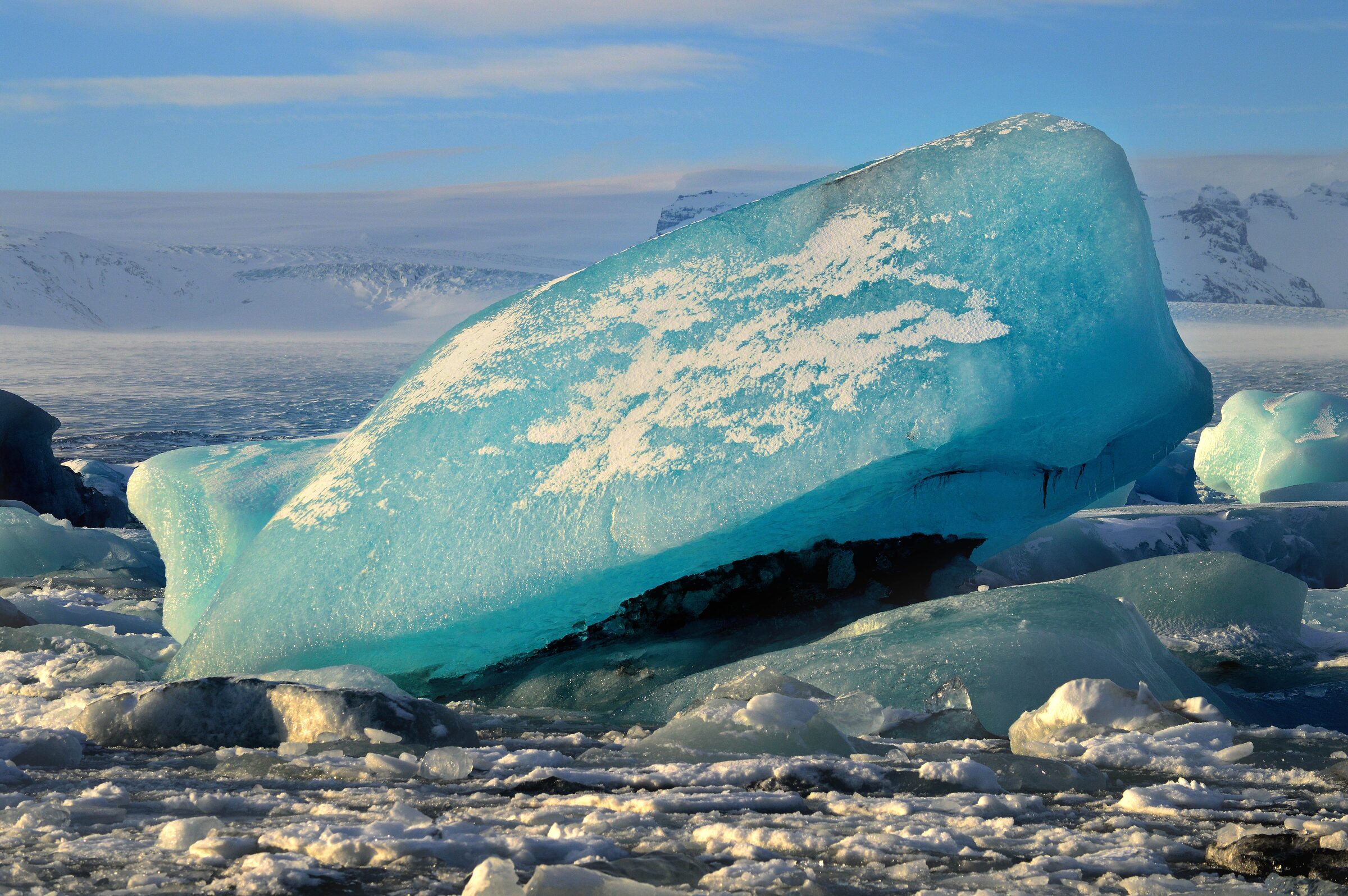
beach at Jökulsárlón Glacier lagoon (5). Where the Jökulsárlón Glacier meets water,
giant pieces of ice (some as big as houses) break off and float outwards
towards the ocean creating an ever-changing environment of ice and water. Some
smaller icebergs get caught in the tide and are washed up on the black sand
beach like giant diamonds in the rough (hence the name). You can spend
hours-and-hours here gazing at the shimmering sculptures but as the sun goes
down, there isn’t anywhere more beautiful in the world. There are boating tour
operators such as Zodiac who
will drive you out on the water to get you close to the ice (£95 per person)
and you can repeatedly shout “Iceberg ahead!” at every turn which the boat
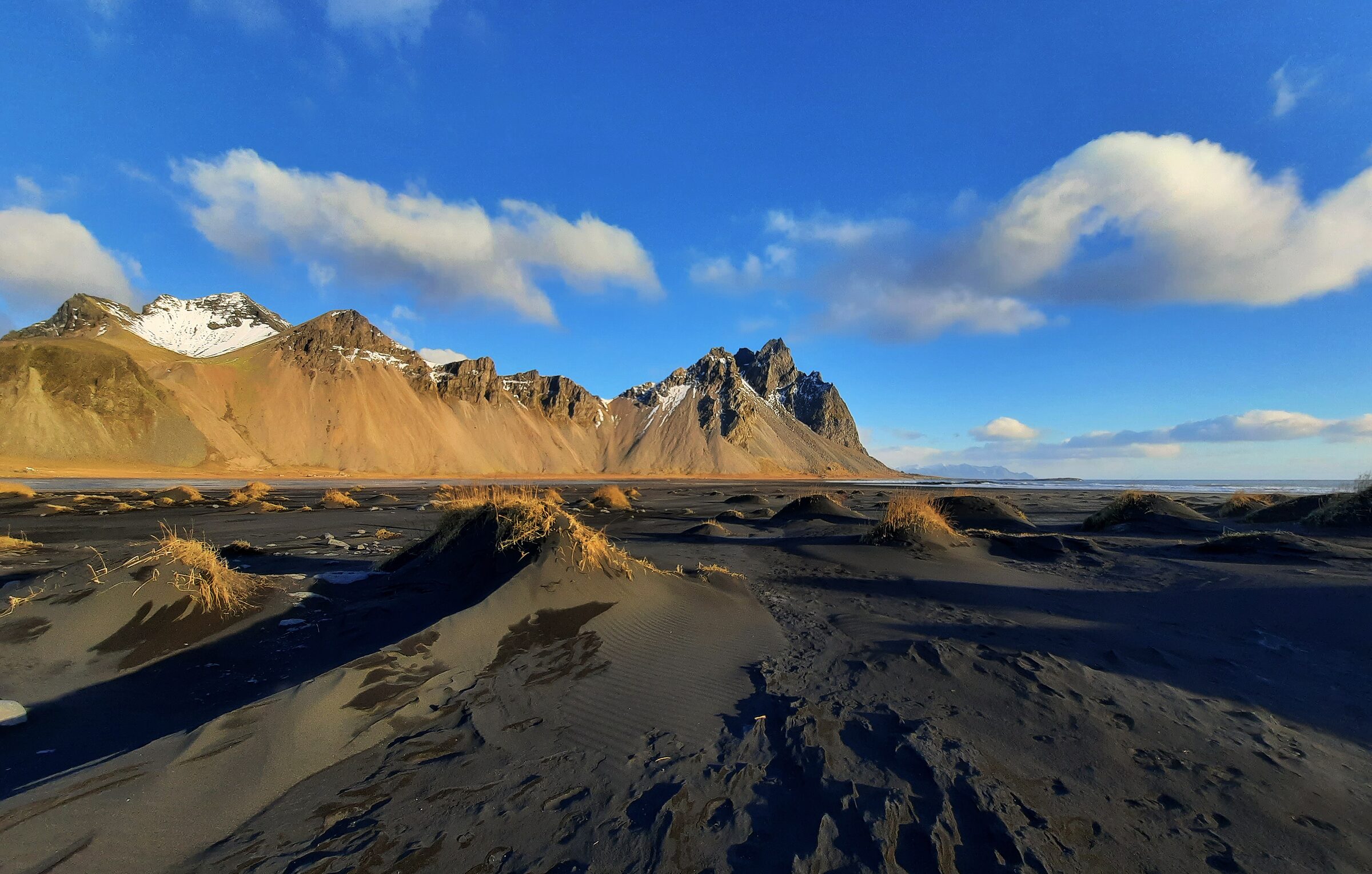
drivers never get sick of... Finally arriving in Höfn, the last must-see stop
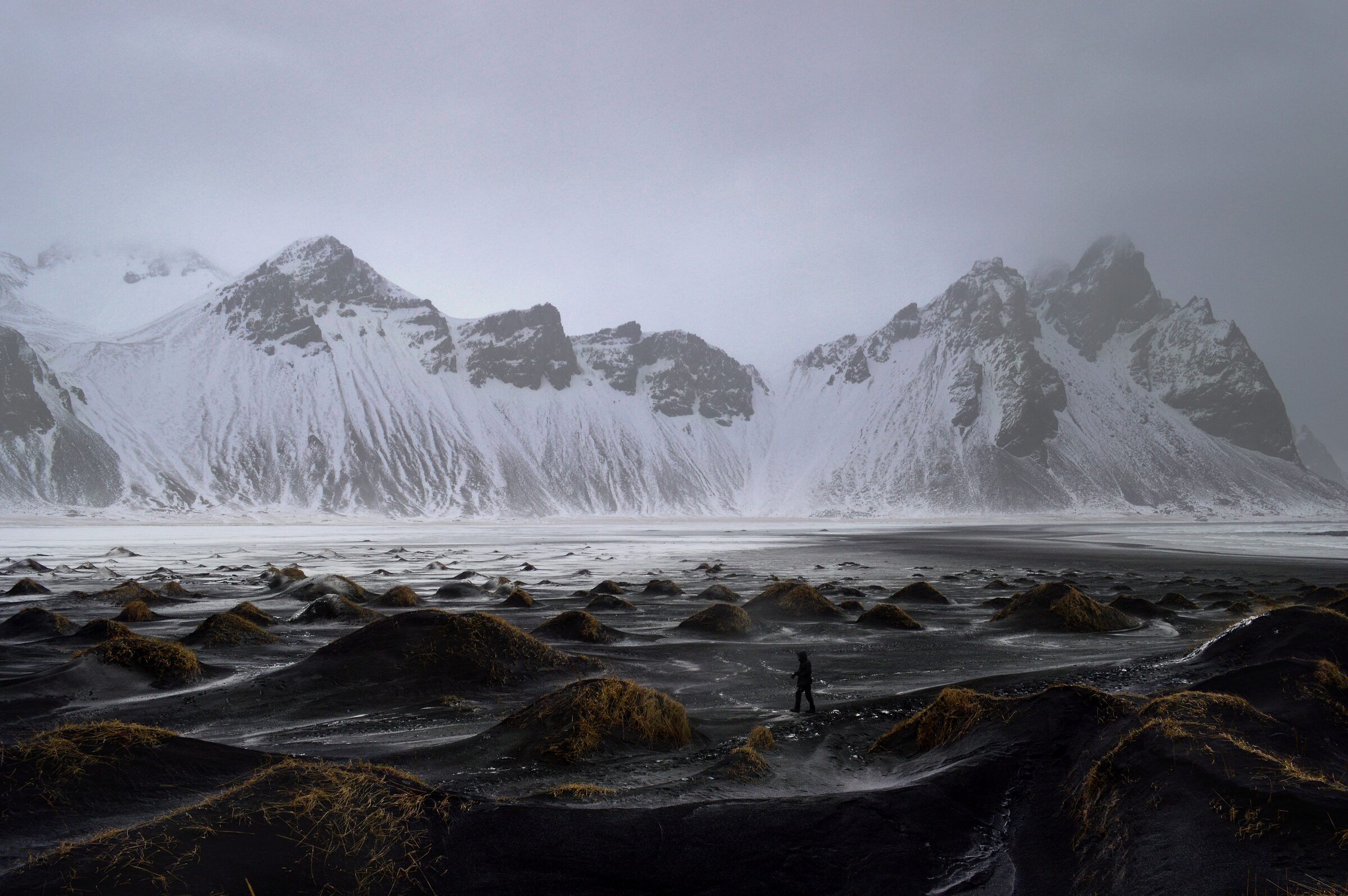
for this leg of the trip is the Stokksnes peninsula with the Vesturhorn
mountain (6) in the background. A tidal lagoon which sometimes reveals a black sand
beach but often gives an incredible shimmering, mirroring effect, reflecting
the mountains behind, is one of Iceland’s most photographed places and a
gorgeous way to end the day.
Vesturhorn mountainDiamond beachRing road near Mývatn
The wonderful thing about Iceland is that so much of the
beauty lies on the coast on the ring-road, so stopping off at a secluded spot
is really simple to do where you can add in any of the other sights listed here
along the way easily. If you’ve got 4-5 days here then getting to Höfn and back
(including all the activities in the golden circle) is probably all you’ll have
time for. Try to see half of the things between Vík and Höfn each way and leave
time for sunset or the blue-hour walks. If you’ve got 2 weeks here and want to
continue around the island, then read on. If not, head back to Reykjavík and
away.
The east of Iceland is where the best weather is. In fact,
the better weather, proximity to mainland Europe and the pretty landscape makes
you wonder why the
capital city wasn’t built here instead. The main attractions to this part
of Iceland are the active geothermal area and the Puffins. Head north from Höfn
(still on the 1 ring-road) to the town of Egilsstaðir where you’ll find a ski
resort and the beautiful Fardagafoss waterfall which (if you’re careful) you
can walk behind and feel like you’re in an adventure movie. The Hengifoss and Litlanesfoss
waterfalls can be easily reached via a 45-minute walk from the car park at the south end
of the Lagarfljót lake, only a half-hour drive from Egilsstaðir. For musicians,
head half-an-hour east to the village of Seydisfjordur to see (and sing in) the
Tvísöngur 5 domes, created to each resonate one of the notes from the Icelandic
5-tone harmony. For Puffin watching, head an hour north on the 94 road until Borgarfjörður
eystri where you can park
up and snap some beautiful wild Puffins in their natural glory.
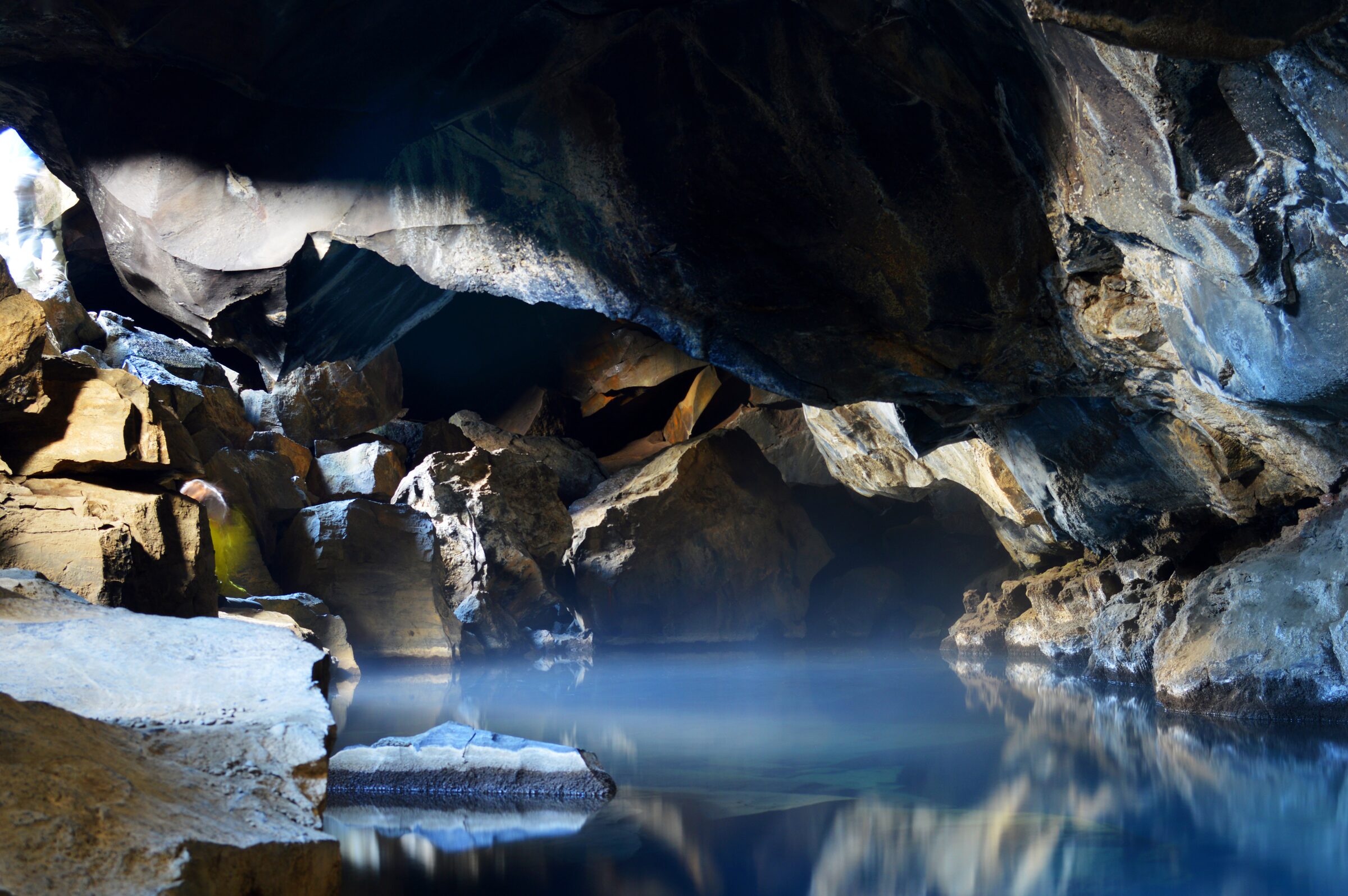
Grjótagjá cave
The next biggest stop on the journey is Reykjahlíð where you
might want to stay a few days to squeeze these bits in. The stunning lake
Mývatn (2km hike circumference) and ominous Hverfjall volcano crater are the
main attractions. On the west of the lake near Vindbelgjarfjall mountain there
are numerous other smaller volcano craters in circular patterns which from
above look like the impact craters on the moon. To the east of the Mývatn
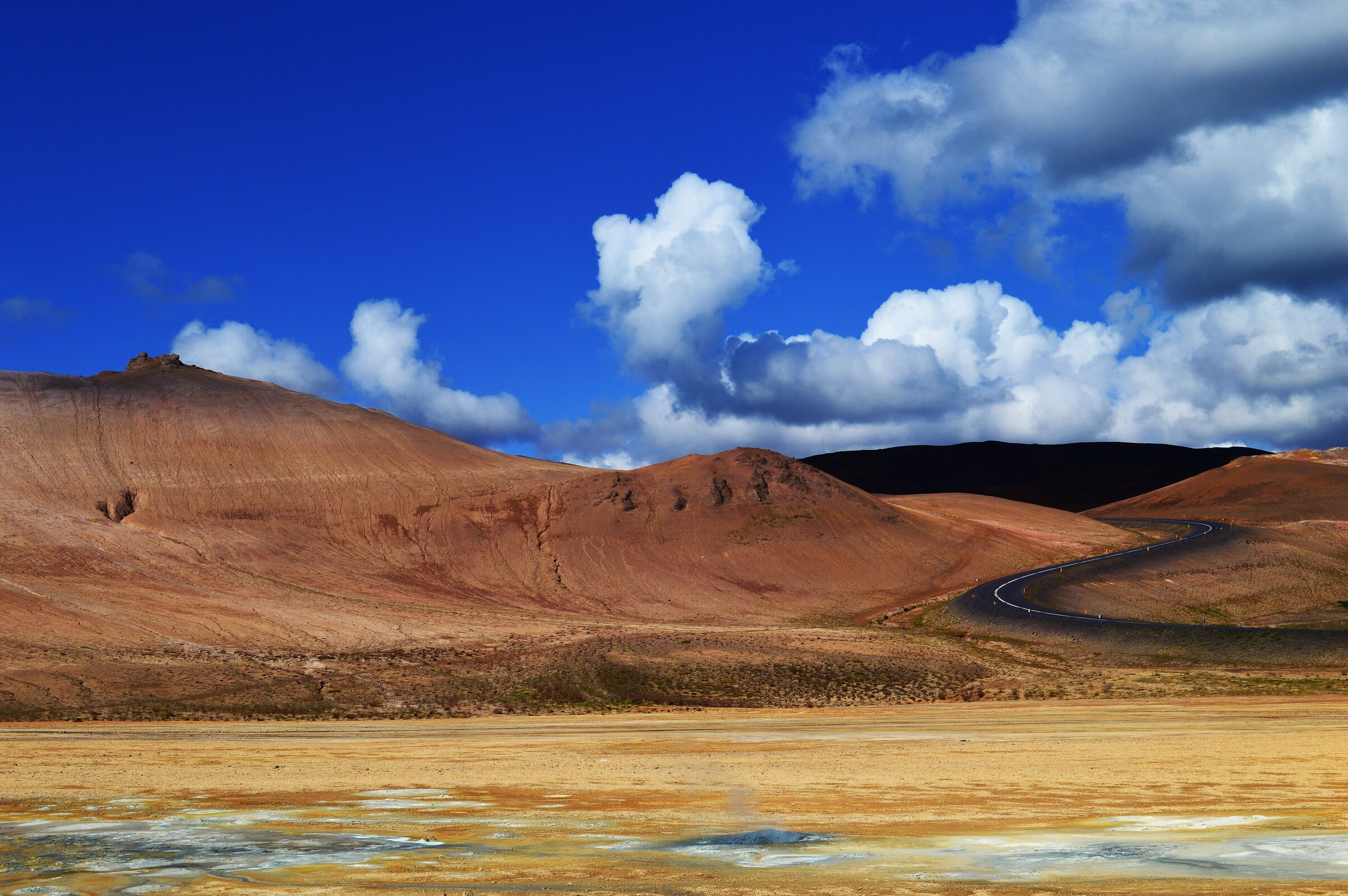
you’ll find the small geothermal Blue Lake (NOT for swimming in) which powers
the Bjarnarflag Geothermal Power Station, the previously mentioned Myvatn Nature Baths (IS for swimming
in) and the Hverir natural geothermal area (also NOT for swimming in). An extra
little delight is the Grjótagjá cave, a tiny underground cave with incredibly
still, mirror-like water which has a car park next to it for
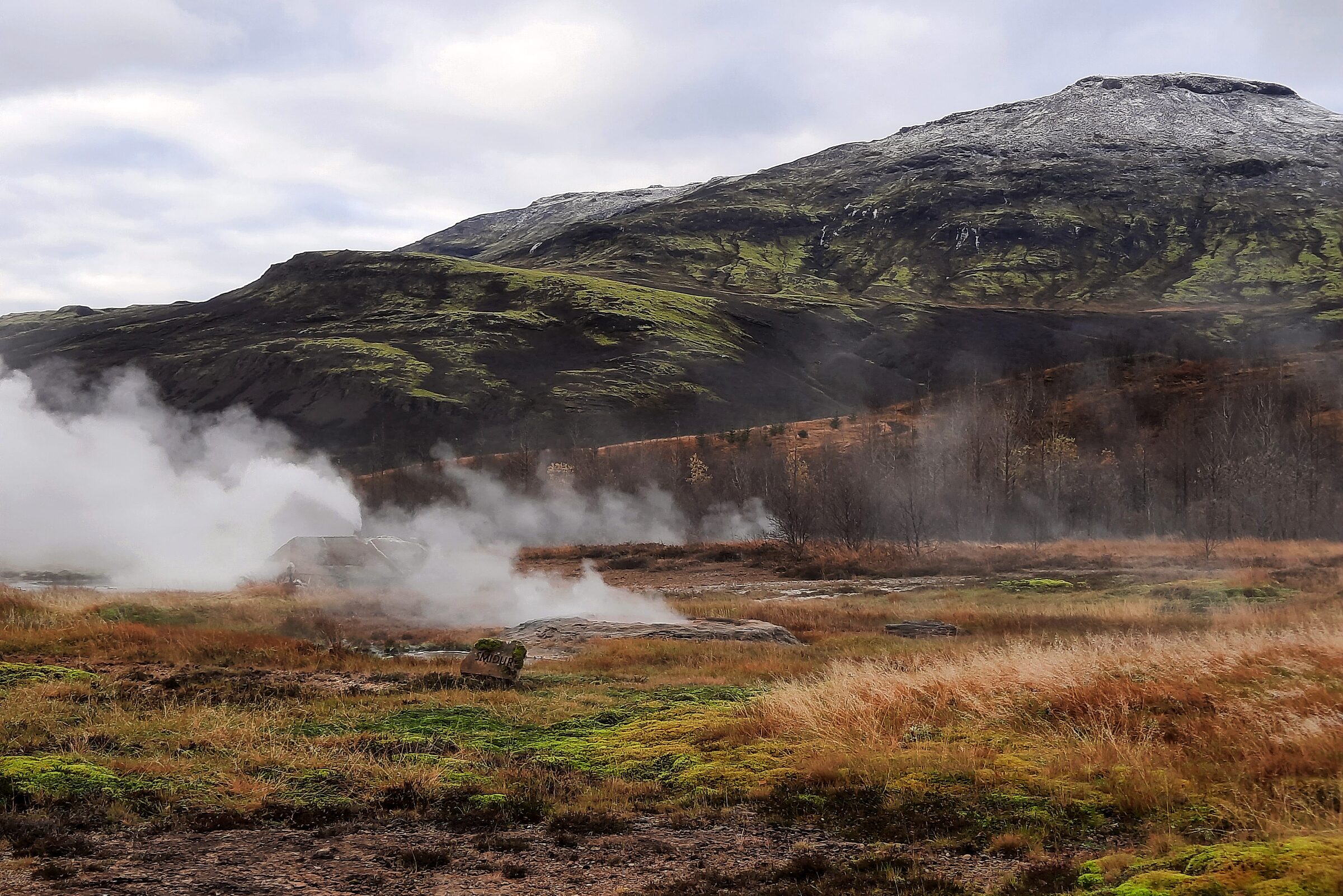
your convenience. This whole area is a hotbed (pun intended) of geothermal
activity and there loads of geothermal activity everywhere so keep you camera
handy and you eyes on the oozing pools of boiling hot mud.
Geothermal activity
Next up is Akureyri, Iceland’s second city (20,000 pop) where
you can do more of the same: hiking, geothermal baths and breathtaking scenery.
Visit the Laufás turf
houses along the east side of the river, hike to the top of Mount Sulur
(12km, 5-6 hours) parking and starting here and then finish off
with a bathe in the Forest Lagoon
(previously mentioned). This is also one of the 2 places I’d recommend for
Whale watching in Iceland. For the chance to see Orcas, wait until the west
coast and Snæfellsjökull National Park but for Humpback Whales, Akureyri is the
place to go. There are a few tour
companies to choose from and they all do the same thing for roughly £85 per
person but the two times I’ve been I did see Humpback Whales and Dolphins.
Sadly, no Orca sightings for me (so far).
As I was starting to run out of time, the next stop from Akureyri
was Snæfellsjökull National Park. In between the two stops are plenty of sights
to choose from as there are more road options in the west part of the island. Hraunfossar
Waterfall near Húsafell looks like a miniature (and colder) version of the
Croatian delight Plitvička Jezera waterfalls, the previously mentioned Krauma
hot springs are a delight and the Gerðuberg Cliffs are another of those
Icelandic natural landscape wonders of geology where a short walk from the car park will end with a
quick hike to the top of the bright red Ytri-Rauðarmelskúla volcano cone. There
is so much natural beauty here you get weirdly used to it. Carry on along the
54 and you’ll end up at the Snæfellsjökull National Park, the last major stop
on our trip.
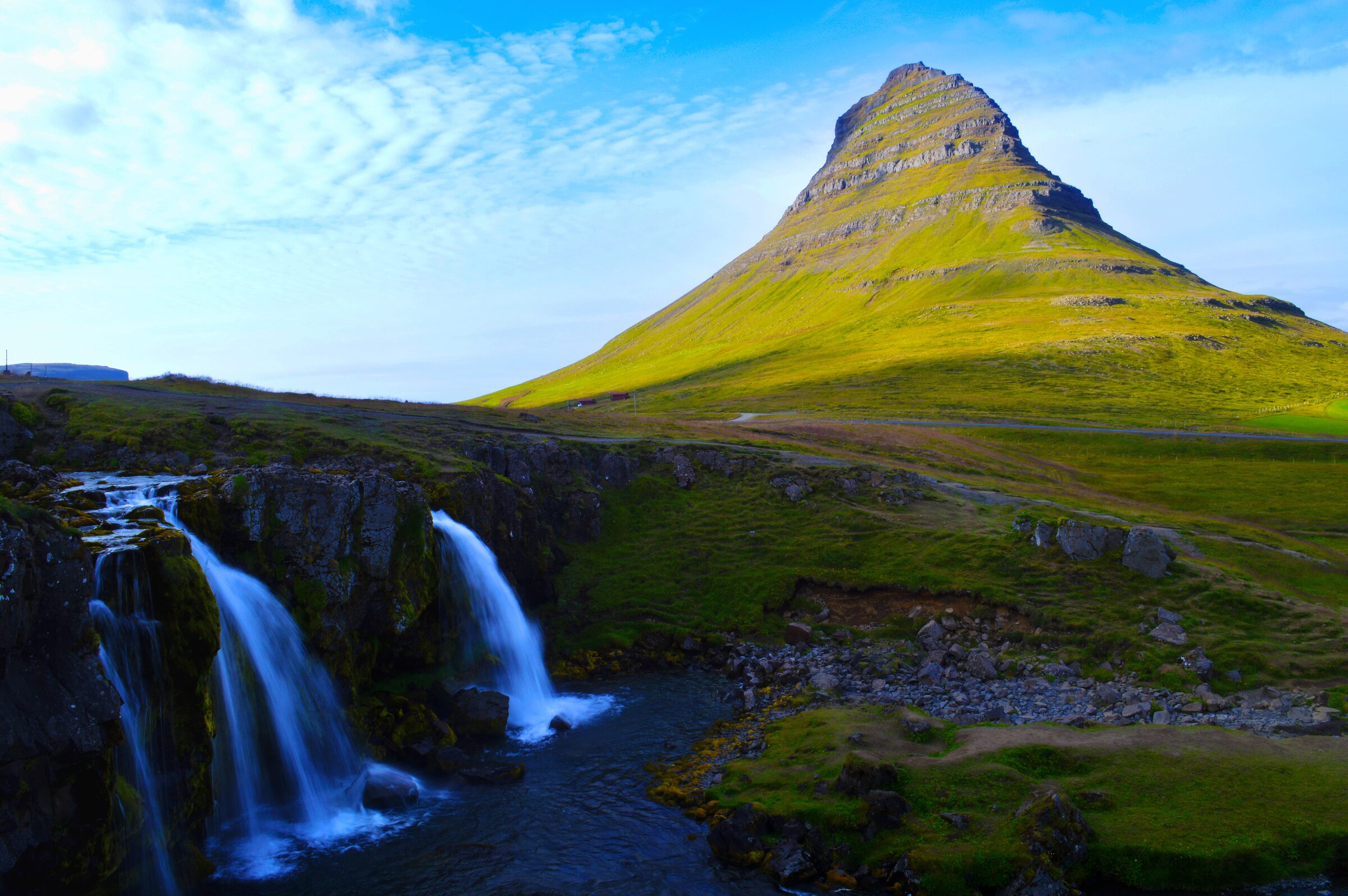
Kirkjufell Mountain, Snæfellsjökull National Park
Here you’ll find the Rauðfeldsgjá Gorge walk,
the Vatnshellir Lava Cave
(tour, £45 per person) and the Dritvik Djúpalónssandurlifting stones (a test of strength of 5 differently weight stoned) a 20 minute
drive apart along more mesmeric black sand beaches. Around the peninsular there
are waterfalls (Bjarnarfoss, Klukkufoss), beaches (Skarðsvík), craters (Saxhóll)
and sea views (Lóndrangar) a plenty and you could spend hours hiking and
clambering over the rocks, but the main attraction is the Kirkjufell Mountain
and waterfall, one of the most photographed spots in the entire country. Park hereand then walk a
few minutes until you see the famous spot of the conical shaped mountain in the
background and stream in the foreground. If you can time it in the summer with
the sunset it is a truly magical place to be. The entire peninsular is
spectacular but once you’ve finished it is time to either head north to see Ísafjörður
and the fjords or head back towards Reykjavík and home. The latter will bring
you close to Norðurpóllin Leikhús, a picturesque lighthouse which is a terrific spot to try and
catch a glimpse and photograph the northern lights. Speaking of which, I’ve
been to Iceland twice and never seen them, but others go and they’re
everywhere. There are tour operators such as East
West Tours who promise a refund if you don’t see the lights over a 3-4 hour
expedition (£115 per person) but my advice is: plan your trip expecting to not
see them and if you happen to get lucky then brilliant! A faint smudge in the
sky on a clear night is what you’re looking for, but you’ll need a long shutter
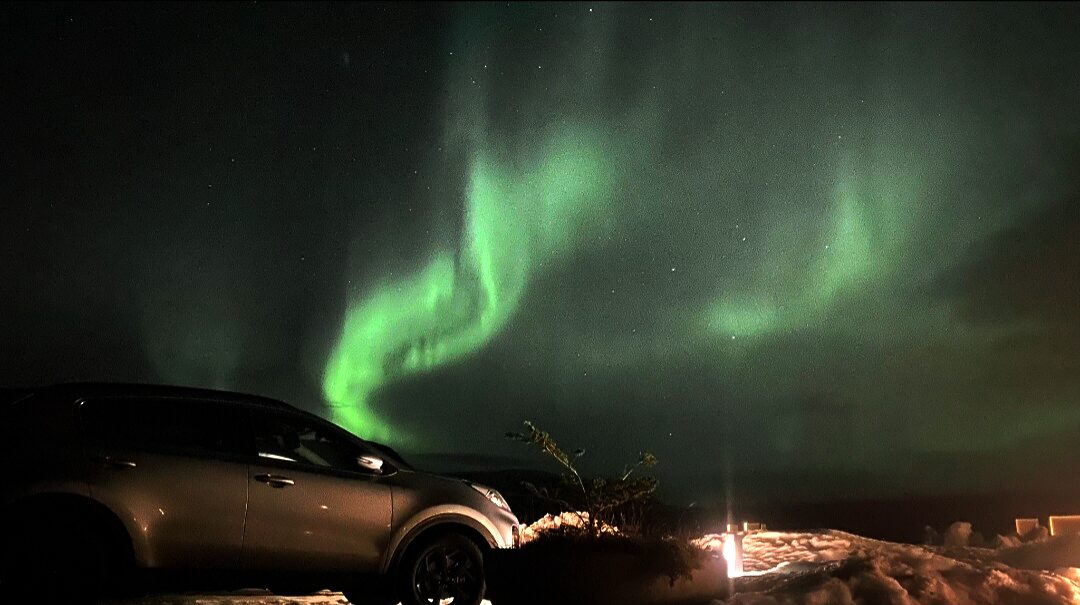
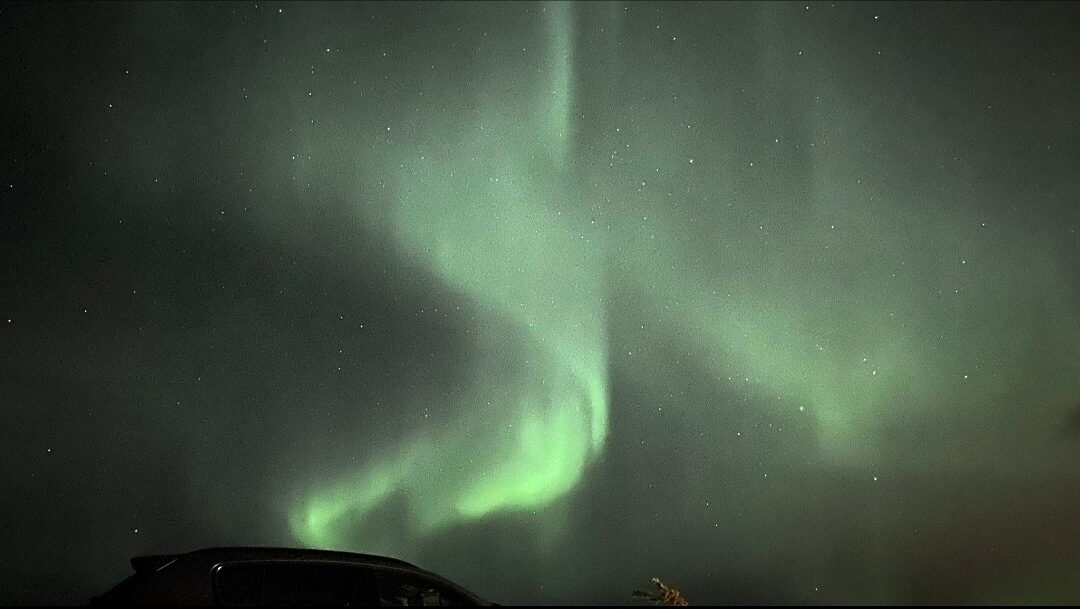
speed on your camera to really see the greens and yellows of the aurora. The images below look great now but I couldn't see the lights in the sky at the time.
Black sand beach near Vík
That was the 2 week itinerary in a nutshell which missed out
the phenomenal 5-day hike across the Laugavegur
Trail through the heart of Iceland, a journey we’ll be attempting in the
future for sure. Iceland is stunning at every turn and is the only European
country comparable to New Zealand’s nature. Everywhere you go and each season,
month, day and hour will be different in this ever-changing landscape. The
places I’ve named here are our experiences but there are just as many more
sights, activities, hikes and natural beauty that I’ve missed off for you to
create your own adventure which will be unique to you. Use our advice or not,
remember: it’s what you know, not who you know.