Itinerary: Lima, Paracas, Huacachina, Aguas Calientes, Cusco
(then on to Bolivia and Chile)
If you like bewildering mountains, endless deserts and
enchanting historical landmarks then get yourself to Peru!
The Peruvian itinerary was one leg of a 4-week journey to
Peru, Bolivia and Chile (links to those pages below) but could be done in
reverse order which is what we’ll be doing in 2026 with some additions! There
are airport hubs with regional flights to help you get around the area so look
out for travel options from Lima and Cusco (Peru), La Paz (Bolivia) and Calama
and Santiago (Chile).
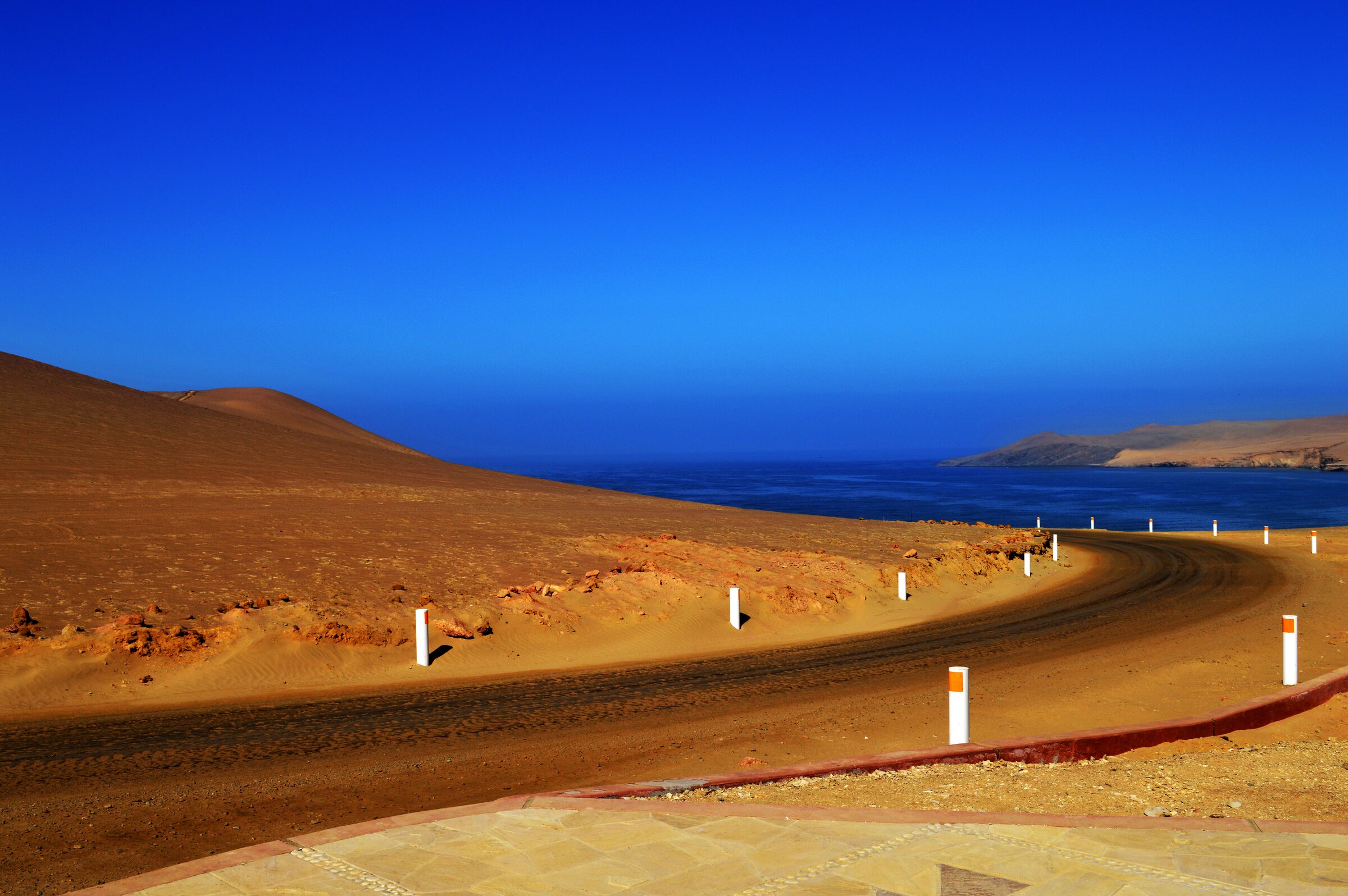
Reserva Nacional de Paracas
Flying into Lima after a transfer in Texas (USA), we spent a
night in a youth hostel in the city. The first thing to note about Peruvian
roads is there are no rules so keep your wits about you, even if you’re in a
taxi! A note from the diary I kept during that trip: “Lima traffic is
terrifying. I’ve never seen car driving like it. There are no lanes and no
rules Horrendous”. We didn’t spend any time here so we got a bus from the main central station in
Lima to Paracas, a small coastal 260km and 5-6 hour drive (£15) south where we
stayed for the night. My first ever view of the Pacific ocean was met with a
beautiful sunset and coupled with some ceviche (raw fish cured with lime)
followed by a £6 per nighthostel.
The next morning, we made the best of the beach and went for an early morning
dip in the Pacific, followed by the hiring of bikes (£5) and a 22km ride to the
nearby Reserva Nacional de
Paracas (£2 entry fee), a nature reserve full of sand dunes and ocean bays which was very
pretty. We didn’t have long here as we’d booked a bus to our next destination
(the desert oasis Huacachina) at 11am (1.5 hours, £8).
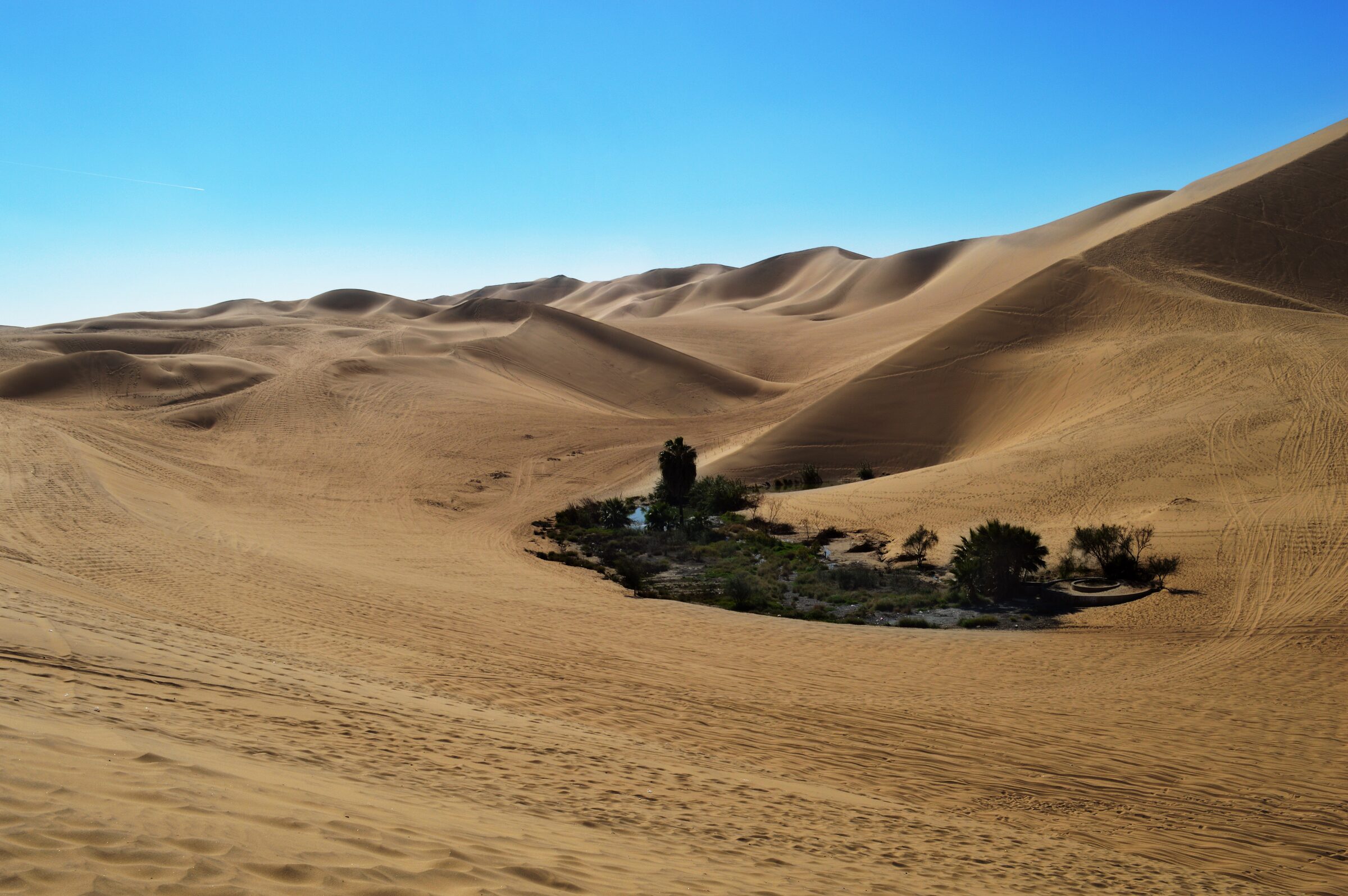
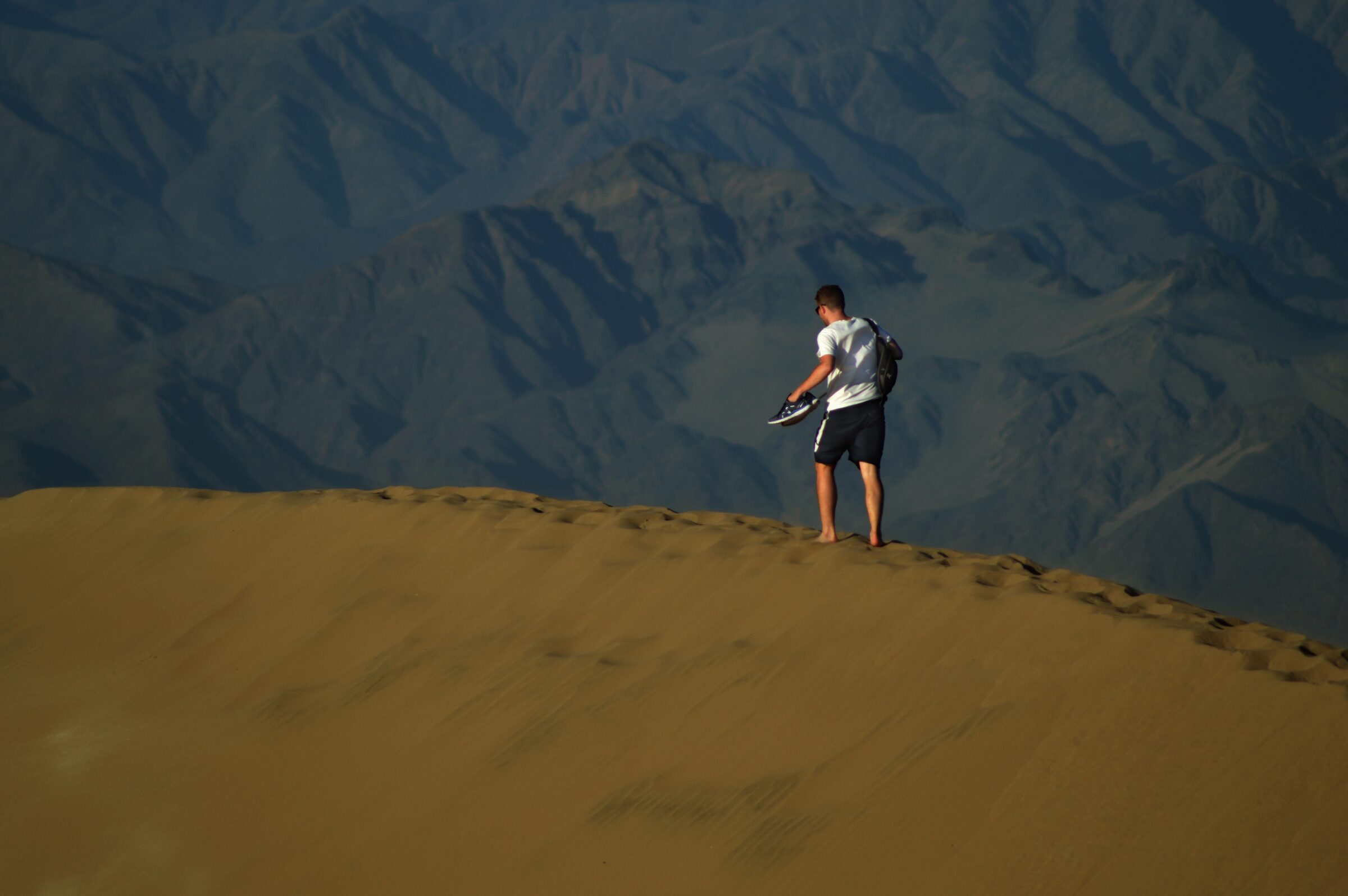
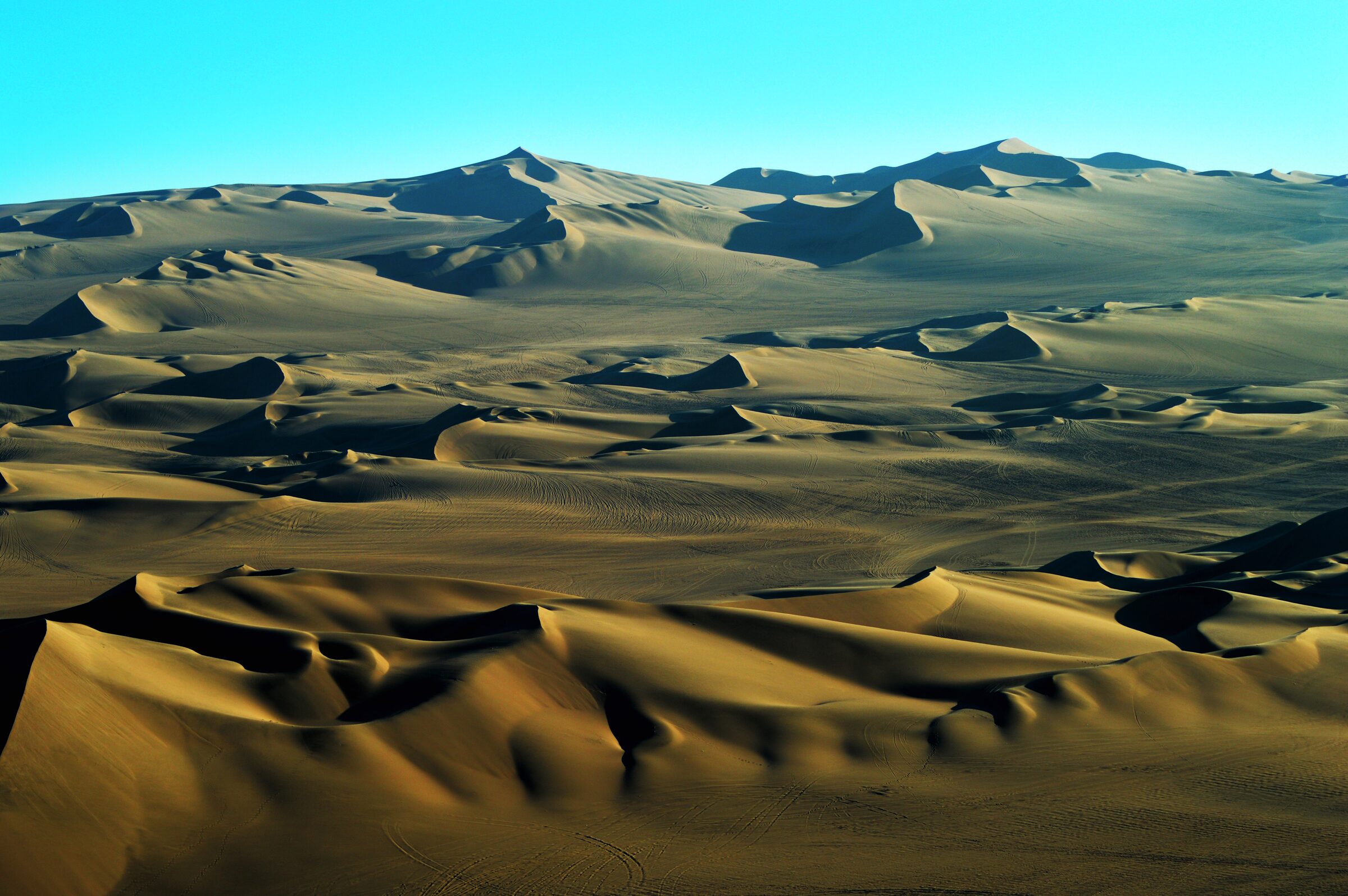
Huacachina oasisSand dune hikerSand dunes
Huacachina has a desert oasis in the middle of a bunch of
sand dunes, and it is very pretty but overrun with tourists. You can sandboard
and dune buggy here
(£15) which looked fun but given it had been at least 15 years since I’d been
on a skateboard, I passed the opportunity. Instead, we climbed the highest dune
we could find to overlook the desert and oasis which was spectacular and spent
some time sunbathing. We then hopped on a 10-minute local bus back to Ica (which
is a small city that only seems to exist for easy access to Huacachina) before
booking a mammoth 17-hour long bus journey (£22 each) to Cusco (which actually
turned into a 23-hour long bus journey complete with 2 flat tyres and no stops
for food, water or toilets). You could break this journey up by stopping to see
the Líneas de Nazca (Nazca lines) but you’d still be 15 hours away, so we did
it in one go. Take lots of food, water and entertainment.
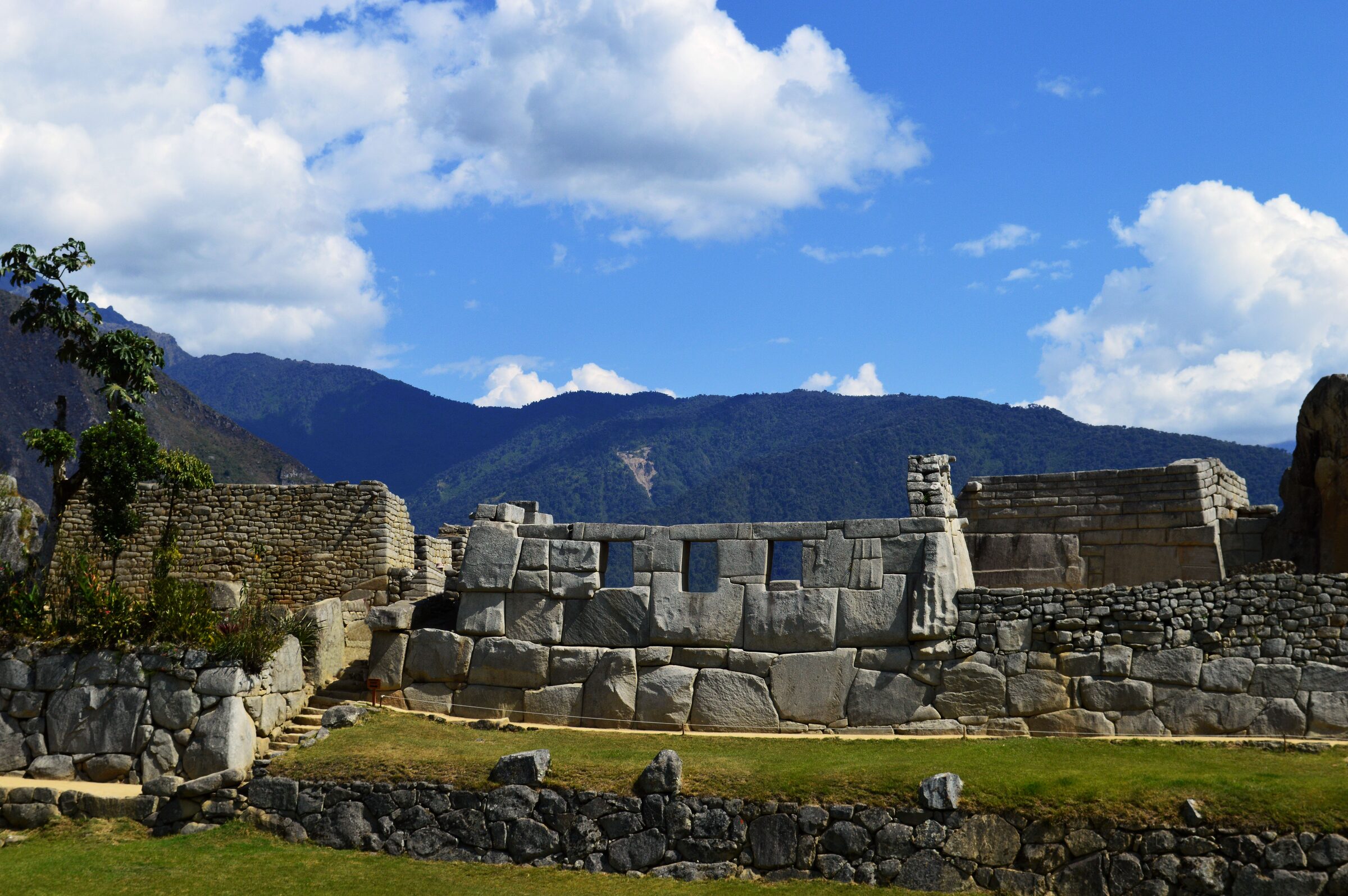
Machu Picchu walls
Once in Cusco, we used this as a base for various trips. Our
first was to the incredible Machu Picchu temple. Getting there is a little
tricky though, so you’ll need to do the following. First, get a train from Estacion Wanchaq in the
centre of Cusco to Station
Ollantaytambo (2.5 hours, every 30 minutes, £30-80 price varies) on Peru
Rail where you’ll possibly need to change trains. Then on to Station Machu Picchu in
the village of Aguas Calientes. Booking for the train should be done in advance
here
but also sort accommodation before arrival as well. Speaking of which, to get
into Machu Picchu, you’ll first need to book
a ticket (£45 each) in advance as well. You’ll need to select an arrival
time as there’s a limit of visitors per day so make sure you check all the
availability well in advance. After our long trip and Machu Picchu booked in
for tomorrow, we decided to go to the Baños Termales(a hot
spring) a short 15-minute walk from the train station where we relaxed in
thermal baths and sipped beer for a few hours.
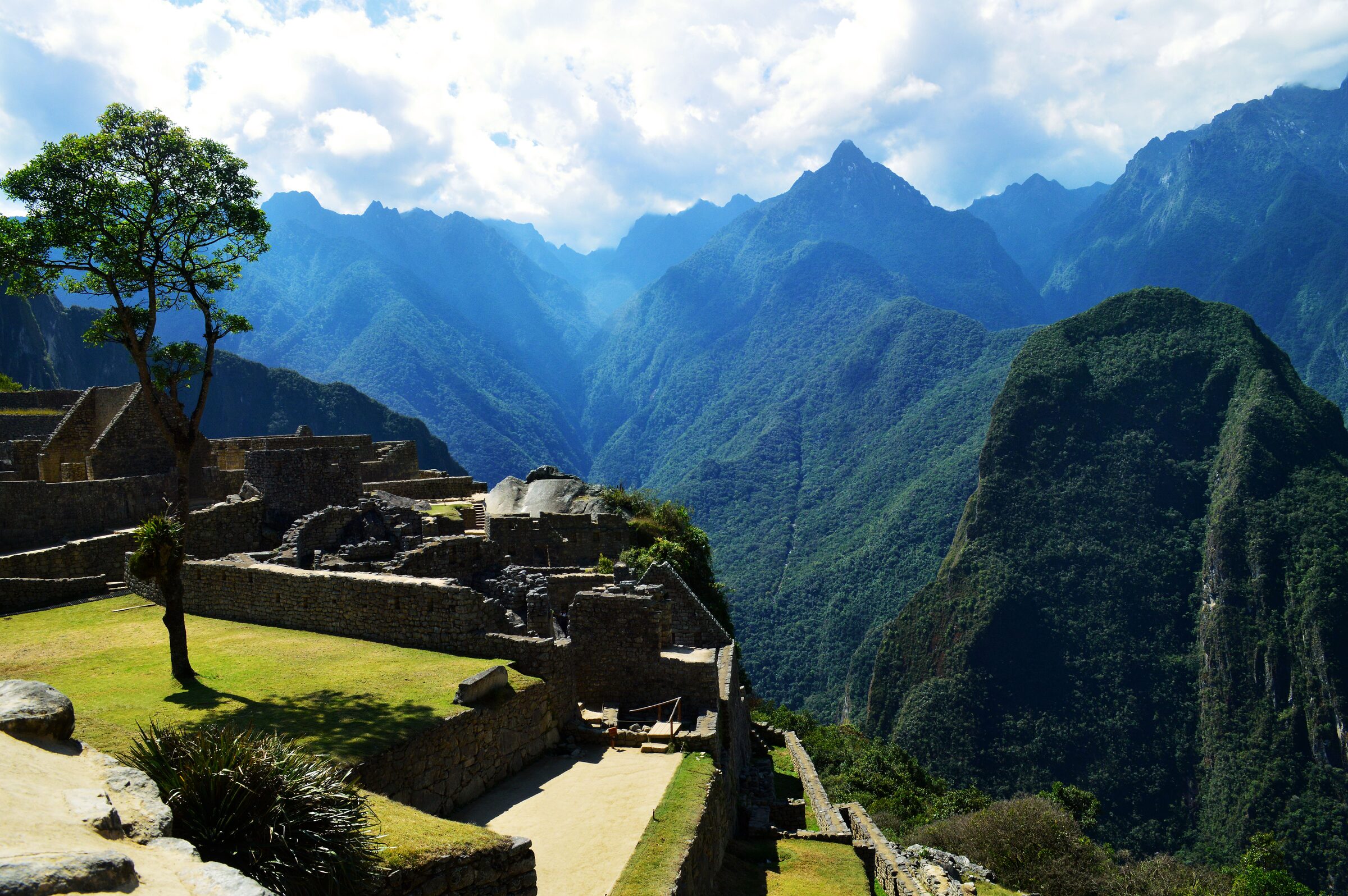
Machu Picchu gardens
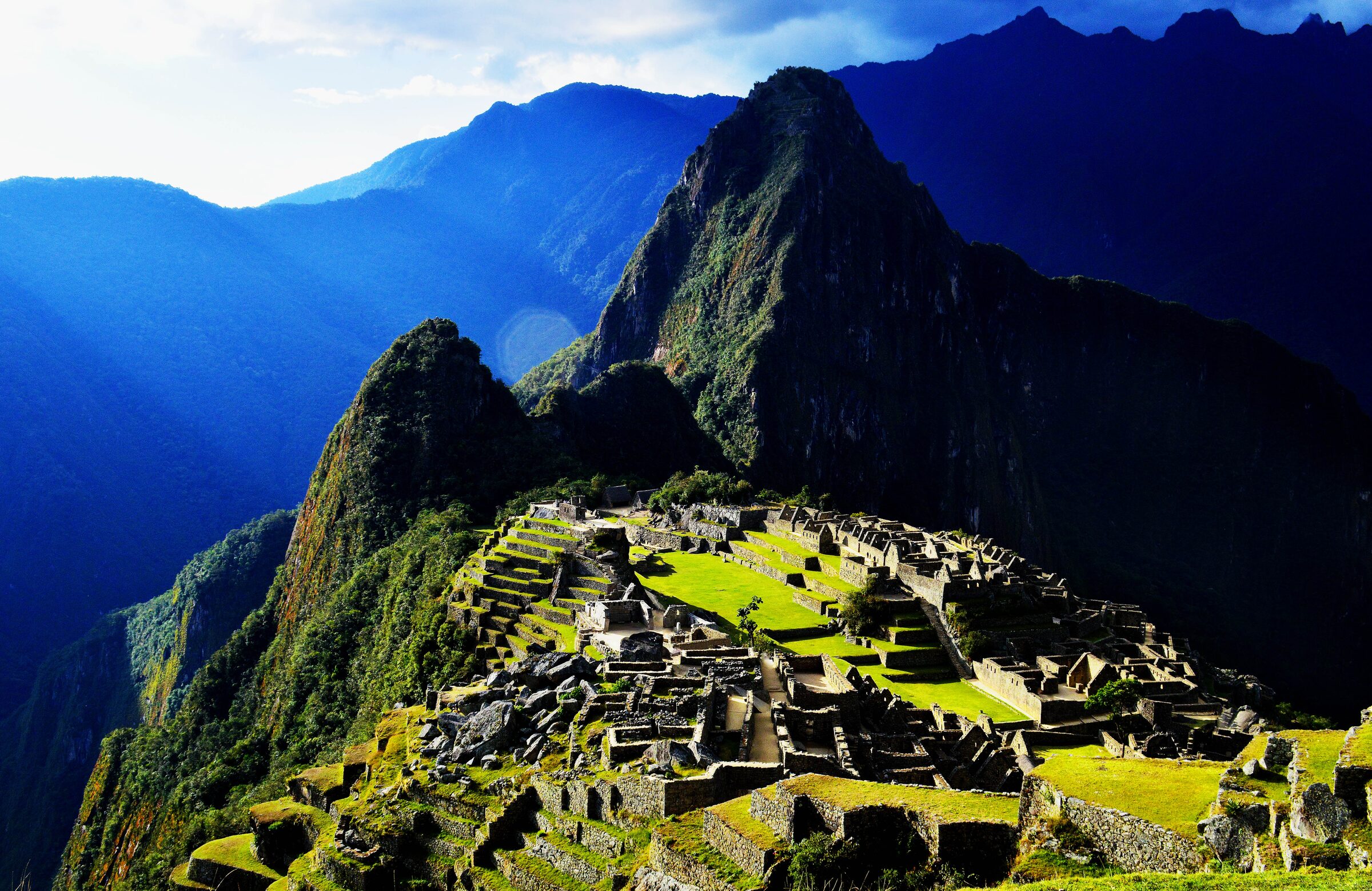
Machu Picchu is the first (and so far, only) wonder of the
world I’ve seen, and it is well worth the time, effort and expense to get to.
Maybe the time of day we arrived (11am) or the stunning weather we had added to
the emotion but it really felt magical in a way I can’t really describe. You can
walk the distance from Aguas Calientes (9km) in about 2-hours and the walk itself
is very pretty if challenging. When we arrived at our pre-booked time slot, we
hired a guide for a few hours (£20) (which I would highly recommend) who gave
us a tour around the lower parts of the site, focusing on the craftsmanship and
technology used to create this insane place.
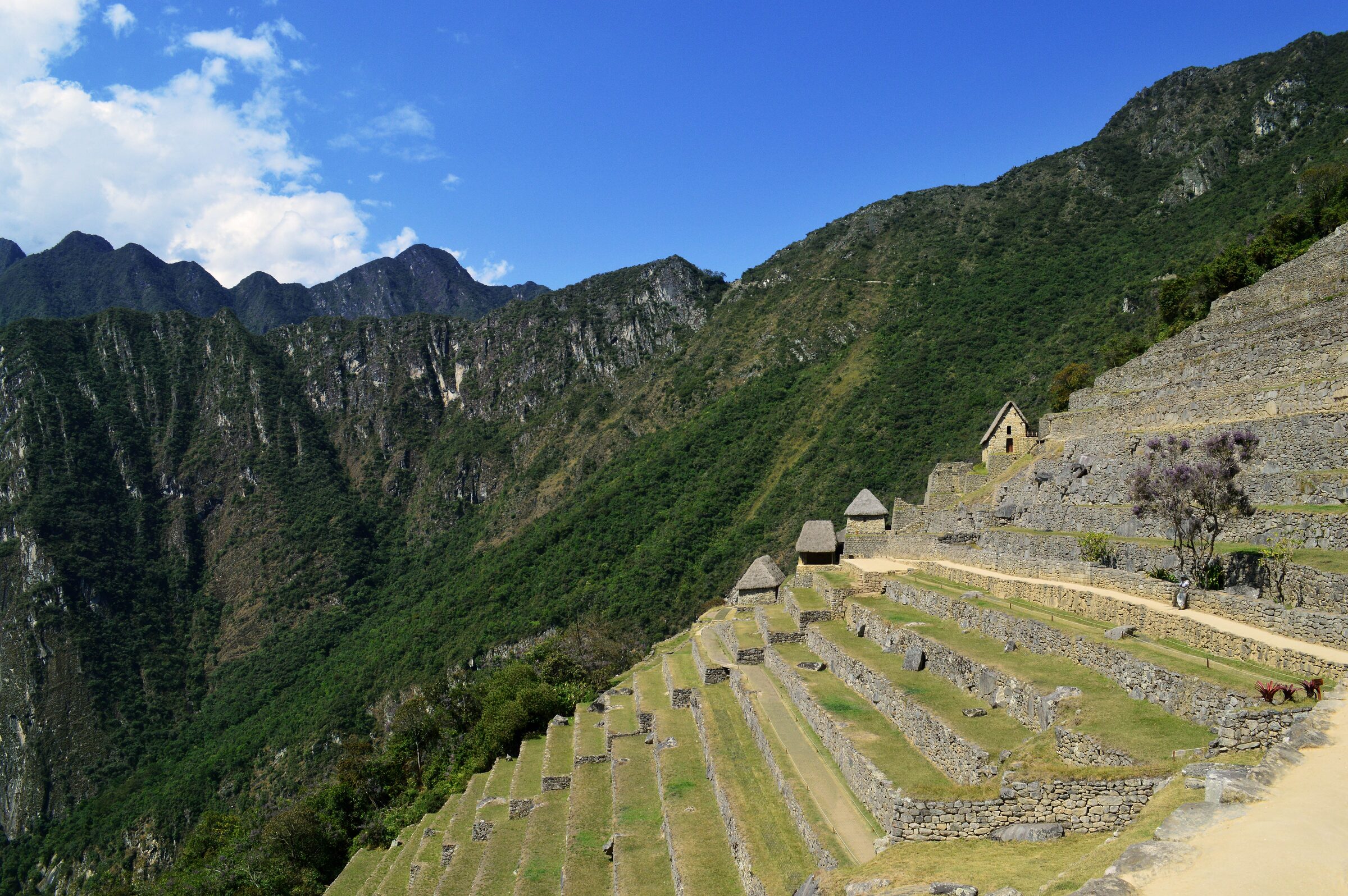
Machu Picchu irrigation
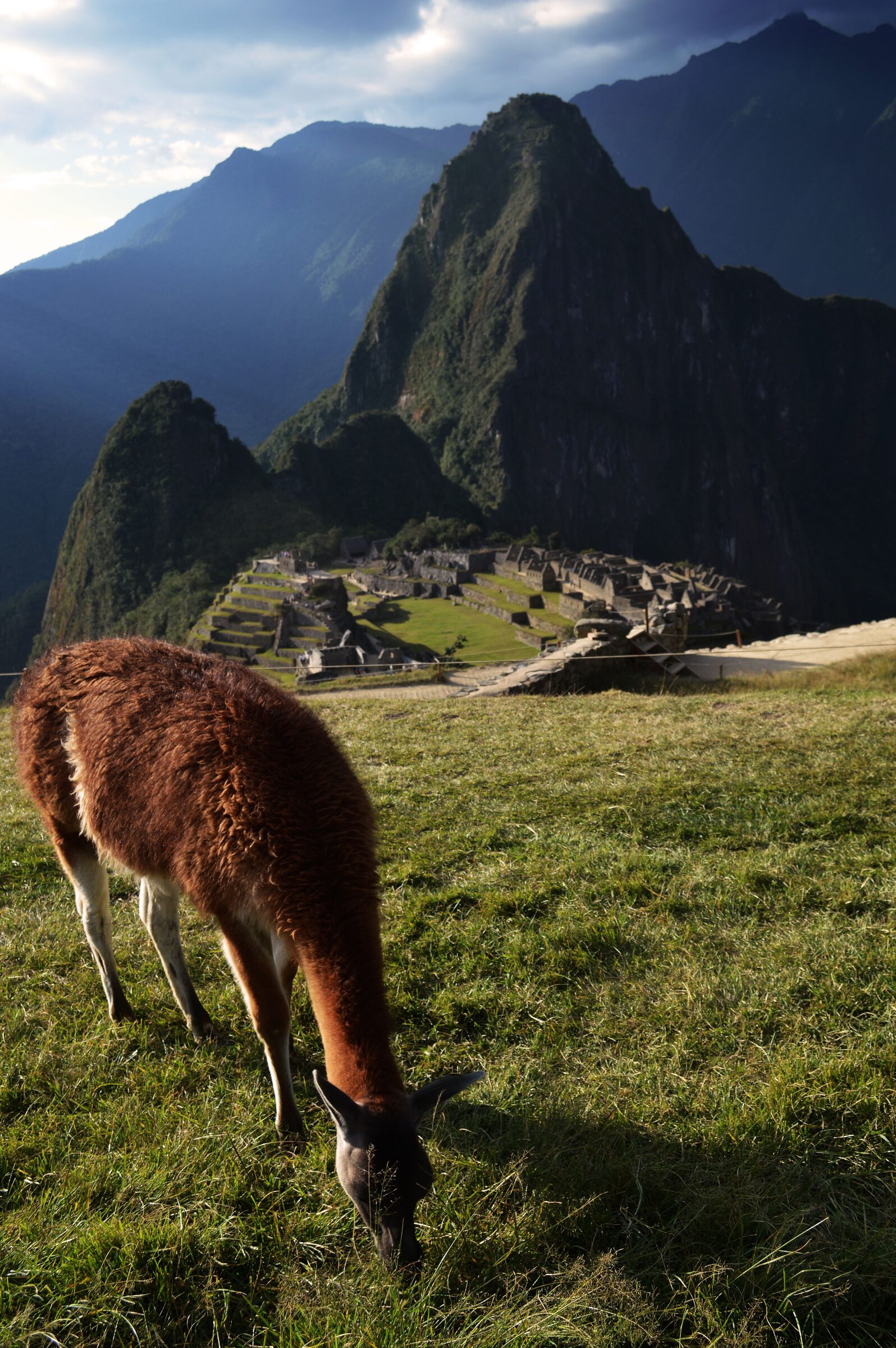
While Llamas and Alpacas roamed freely, our guide was able to answer all our questions about the discovery and assembly of the various buildings. Afterwards, we climbed to the vantage point overlooking the site and it is truly breathtaking. You can walk to the Sun Gate (1 hours, 2km) for a beautiful view of the mountains and there is an extra walk called the Monkey Steps which is an absolute killer (4km, 1600 steps, 600m incline) to see a different view of the settlement but we didn’t do it so I can’t say if it is worth it or not. Spend as long as you can here and if you get a chance to see it at sunset then I can’t imagine there are any more beautiful places on the planet.
Llama and Machu Picchu
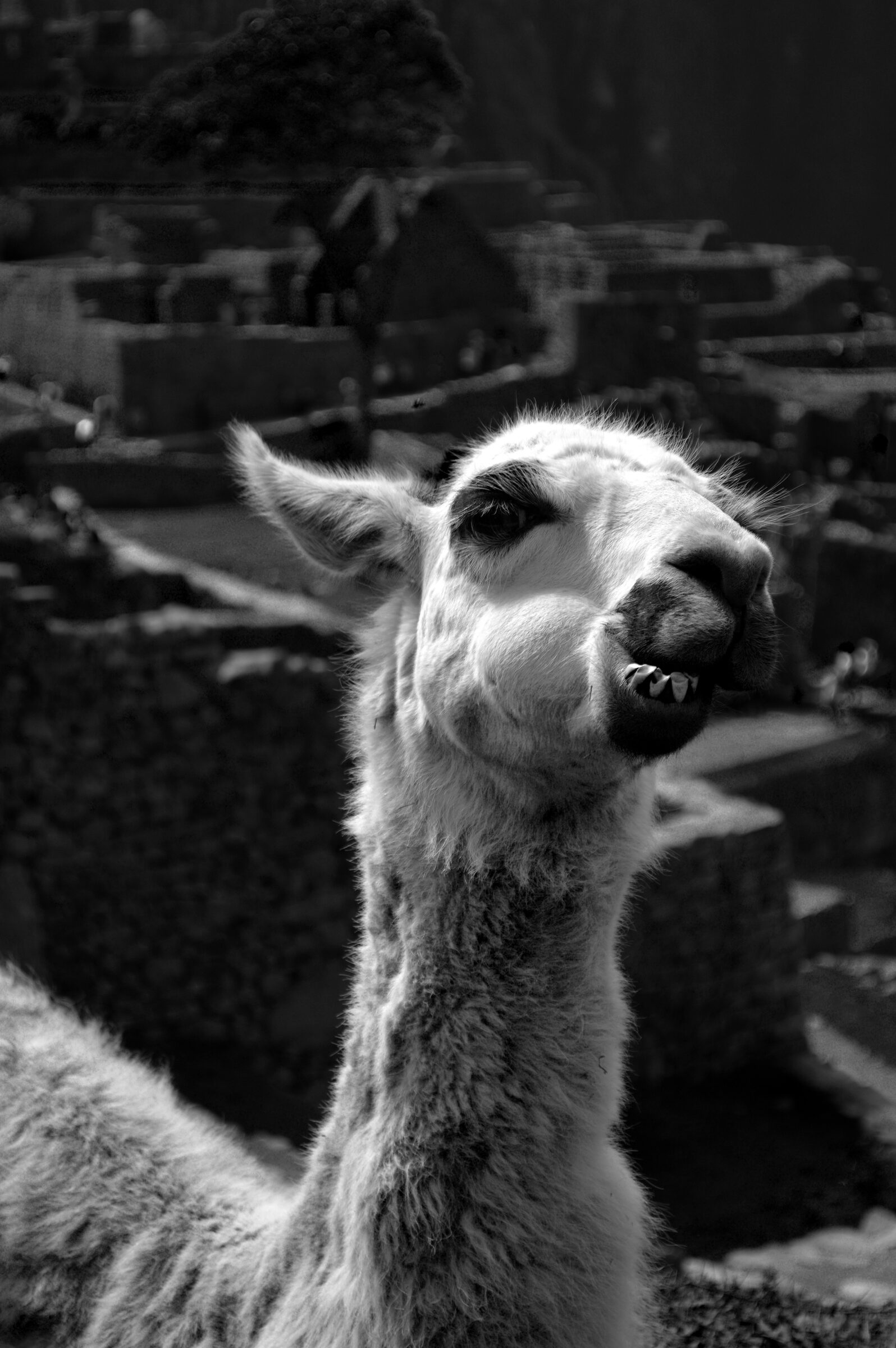
Friendly LlamaCusco independence
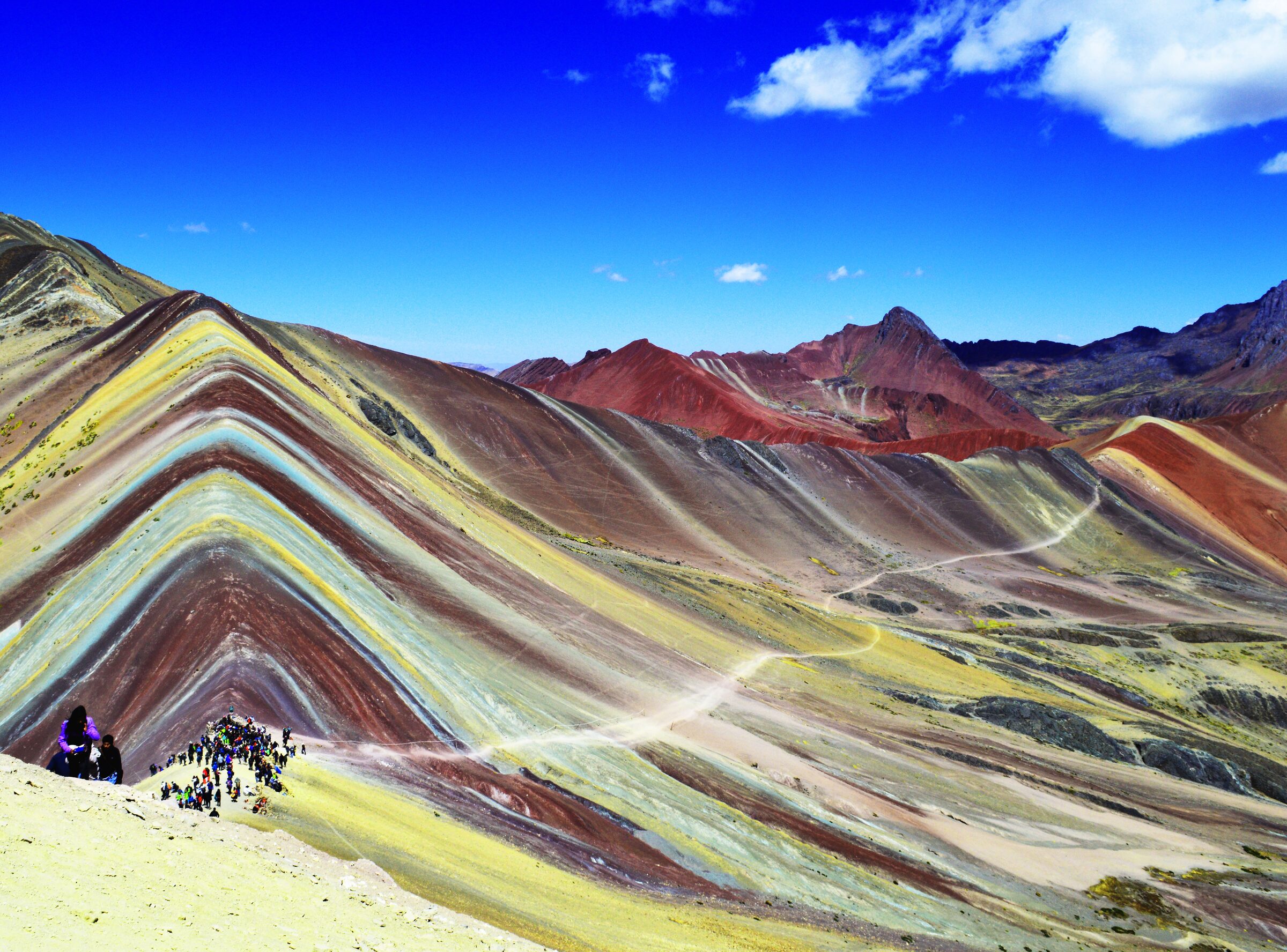
Speaking of the most beautiful places on the planet; Vinicunca:
Rainbow Mountain. We got the train and
bus back to Cusco and spent a day roaming the streets of this high-altitude
town (3,399m). It is advisable to spend a few days here to help acclimatise to
altitude sickness before attempting the hike to Vinicunca. With that in mind,
we visited Saqsaywaman
(£27 entry fee), an incredible Inca settlement on the outskirts of the town but
if you wanted to save money and see similar stone work then the centre of the
old town has craftsmanship like on Machu Picchu at the 12 angled stone. It is
nice (and worthwhile) to walk around the city to get used to the altitude and
the Plaza de Armas
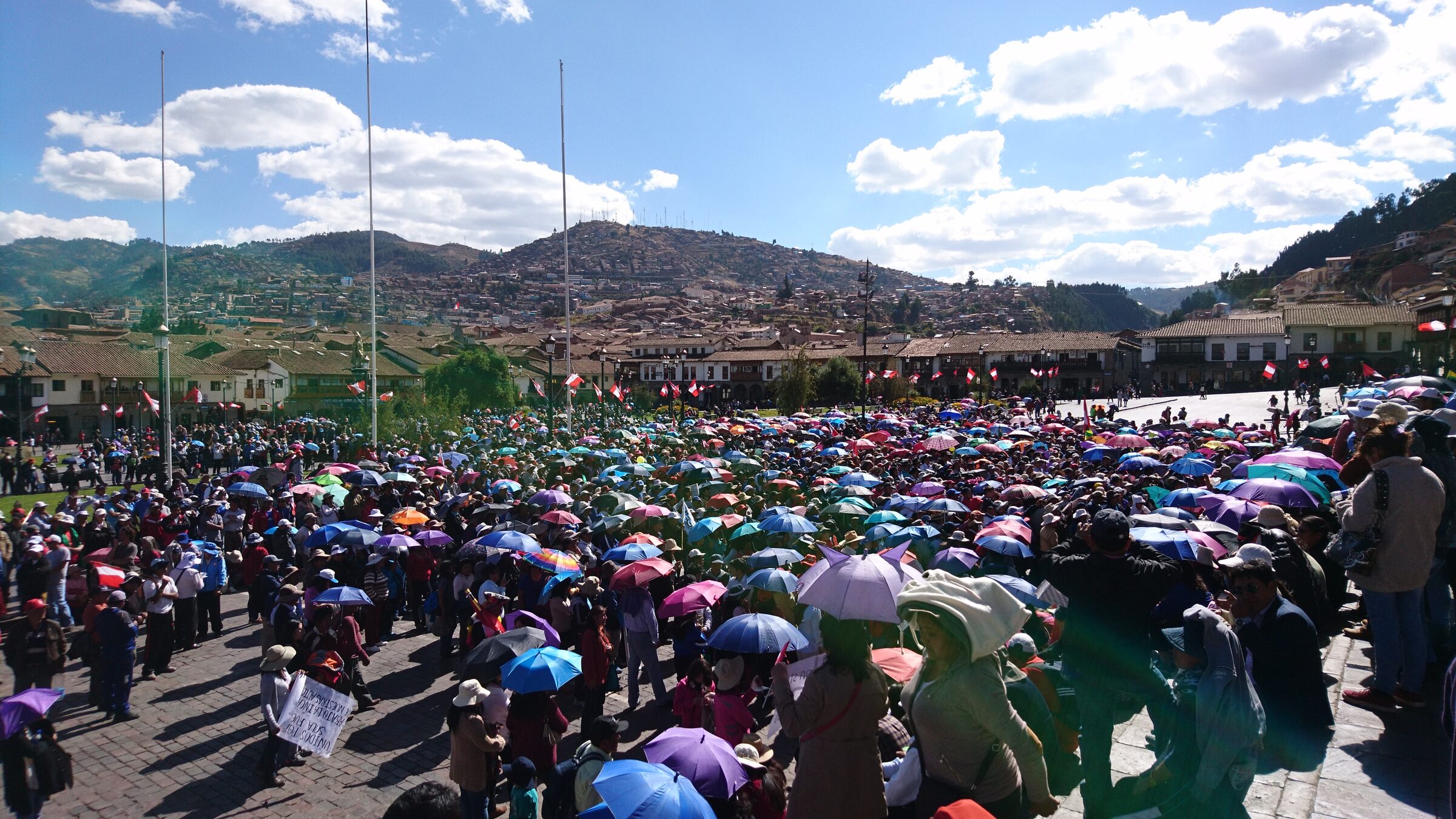
centre is pretty at night. We also happened to be in Cusco during the Peruvian Independence
Day which meant there were parties-in-the-street-a-plenty. There are lots of companies to book the
Rainbow Mountain tour with so shop around or ask your accommodation to help sort
it out. Prices will range but you’re looking at about £60 per person.
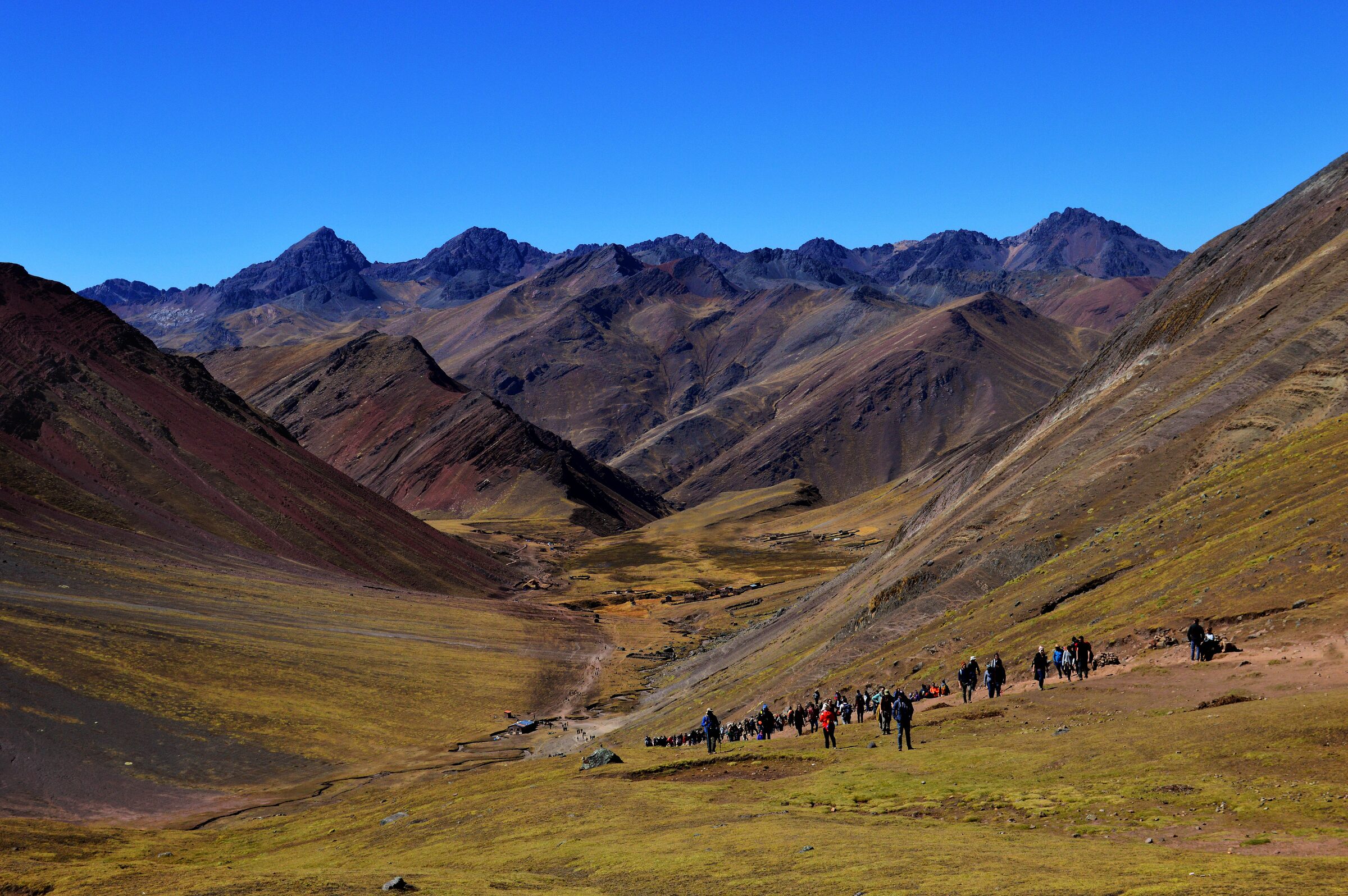
Rainbow Mountain (Vinicunca)
A bus picked us up from our hostel at 3:30am and drove us 240km (6 hours) to the starting point of the walk where you’ll begin your ascent at roughly 4,500m. I can’t remember exactly where the bus dropped us off but there was a significant walk involved which seemed to take longer than you’d ever expect due to the altitude but eventually you get to within a 100m or so and there’s what feels like a vertical ascent. You can hire quadbikes and even horses to get you to this point but the last ascent has to be done on foot so there were a few ill-equipped and disappointed tourists unable to get to the top, missing the staggering view of the mountain from above. The top of this vibrant sandstone hill is 5,200m and at this point you really feel the lack of oxygen and the low temperatures, so it takes your breath away literally and figuratively. Stay as long as you can and enjoy the scenery of the rainbow colours in the foreground and glaciers in the distance before hiking back to the bus where you’ll physically feel the air get thicker with every step. The bus trip back is the same length so prepare for a very long but incredibly worthwhile day.
Around Cusco there are other day-trip and hikes to attempt such as the Humantay Lake, a 3-hour drive and 30-minute walk west which is doable in a day through varioustour companies for £25 per person, or the Ausangate 7 Lagunas(7 glacial lakes) which you could combine with a trip to the Rainbow Mountain but it all depends on how much time you’ve got. On this particular trip, we headed to the airport in Cusco and flew to La Paz to continue the journey. You could spend 3 or 4 weeks in just Peru, enjoying the insanely beautiful scenery, enjoying the magical history of the place and embracing the lovely people of this country but for us, we crammed as much as we could into 10 days before moving onto Bolivia and then Chile. Use our advice or not, remember: it’s what you know, not who you know. BoliviaChile